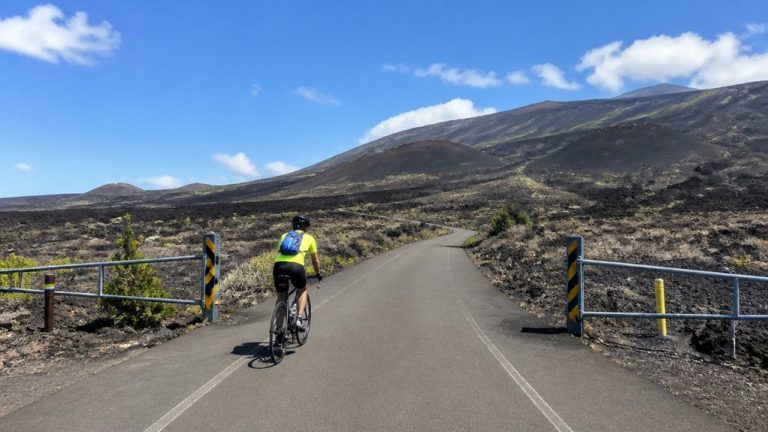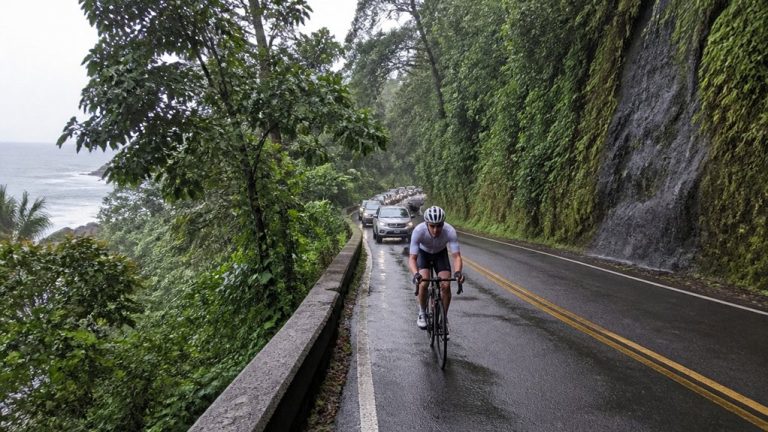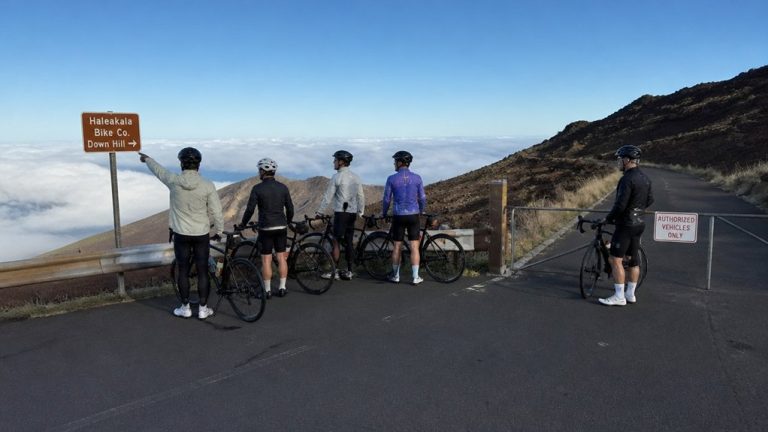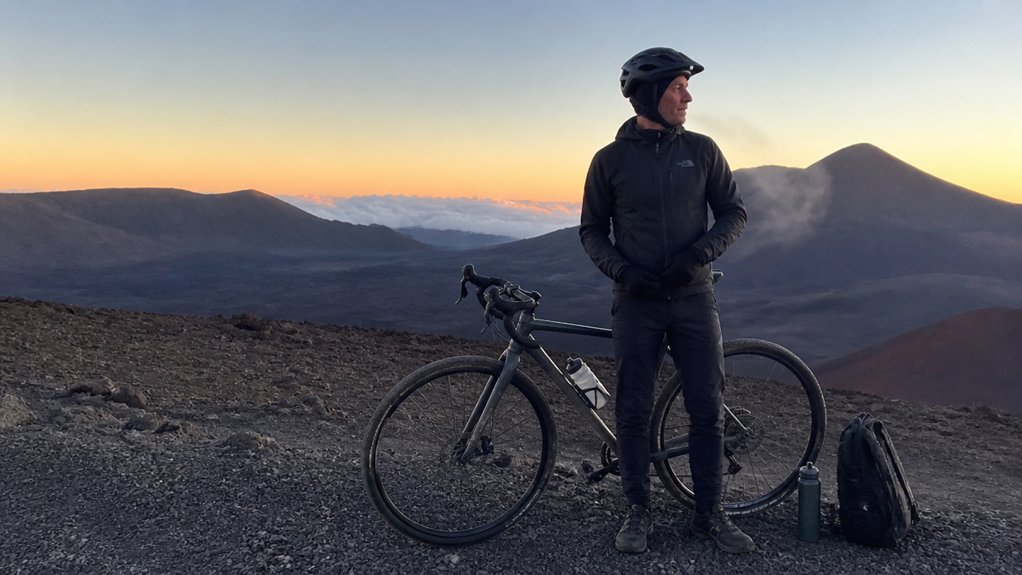
At Haleakalā, your outfit works like a sunrise, built in layers that meet the cold before the light does. You’ll start in sharp summit air that can sit near 30 to 40 degrees, with wind that cuts through thin fabric fast. A wicking base, fleece, shell, long pants, gloves, and a skull cap keep the first miles from feeling like a dare. Then the road drops, the air softens, and what you pack next matters more than you’d think.
Key Takeaways
- Dress in layers: moisture-wicking base, fleece or sweatshirt, and a windproof waterproof shell for the cold, windy summit.
- Expect a 30–40°F temperature swing, so wear long pants and pack removable layers for the warmer descent to Paia.
- Protect extremities with long-finger gloves, a thin beanie or skull cap under your helmet, and optional balaclava in strong wind.
- Wear closed-toe sneakers or hiking shoes with grippy soles, plus wool or merino socks; avoid cotton because it traps moisture and chills.
- Use the Dakine backpack for water, sunscreen, snacks, extra socks, and packable rain gear for quick weather changes.
Dress for Haleakala Bike Tour Temperature Swings

Because Haleakala starts in the dark and high above the clouds, your clothing has to handle a dramatic swing. On a Haleakala Bike tour, you can leave Paia in mild air and reach a summit that feels 30 to 40 degrees colder. Before sunrise, temperatures often sit near 30 to 40°F, and the wind can feel downright sneaky.
Build for quick changes. Wear Long pants, closed-toe shoes, a warm middle layer, and a windproof shell you can peel off as the descent warms. Bring a thin hat that stays put while you wait for first light. Tuck gloves, arm warmers, knee warmers, and a vest into your Dakine backpack. You’ll also want extra water, fresh sunscreen, and bike lights if dawn arrives through mist or low cloud cover. Following a step-by-step guide can also help you plan when to shed layers as conditions change from summit to sea level.
Start With a Moisture-Wicking Base Layer
Once you’ve planned for Haleakala’s wild temperature swings, start with the layer that sits right against your skin. Choose a moisture-wicking base layer in synthetic fabric or merino wool so sweat moves away fast and you stay dry as you climb into thinner air.
At the 6,500-foot start, a T-shirt or long-sleeve base usually works well. By the time you reach the Haleakala Sunrise summit near 10,000 feet, temperatures can hover around 30 to 40°F, so dry fabric matters. Since bike tour safety depends in part on staying warm and comfortable in changing summit conditions, your base layer choice matters more than most riders expect. Skip cotton. It soaks up moisture and turns a breezy summit wait into a shiver contest. Pick a snug but breathable fit that slides easily under other layers. If you tend to sweat a lot, stash a fresh base layer in your provided backpack for a quick change later.
Add a Warm Layer for the Summit
Even if Paia feels mild when you roll out, the Haleakala summit can feel like a different planet before sunrise. For your Haleakala ride, pull on a warm mid-layer like fleece or a cozy sweatshirt before you step into that 10,000-foot air. Expect about 30 to 40°F, and often colder than Paia by roughly 30 degrees. That contrast surprises people fast.
The Haleakala downhill starts in truly alpine-feeling conditions, which is exactly why summit-ready layers matter before the long descent begins. You’ll also want warm layers for hands, head, and legs. Pack a thin beanie or skull cap and long-finger gloves so the wait doesn’t numb your fingers and ears. If you tend to run cold, add arm warmers, knee warmers, or lightweight insulated pants over shorts or tights. Stash these extras in the provided Dakine backpack, then peel them off as the downhill warms and birdsong returns.
Bring a Windbreaker and Light Rain Shell
You’ll want a windbreaker at minimum because the Haleakala summit can greet you with sharp predawn wind, thin air, and temperatures around 30 to 40°F that feel even colder on your skin. A light rain shell earns its spot too, since summit weather can shift fast and a quick shower isn’t rare, especially in winter. Pick a windproof shell that packs easily into your Dakine backpack, fits over your fleece, and won’t flap away when the mountain starts showing off. These cold summit conditions are exactly why layered outerwear is one of the most important essentials to pack for a Haleakala downhill bike tour.
Summit Wind Protection
Pack a windbreaker and a light rain shell before you head up Haleakala, because the summit sits near 10,000 feet and often feels brutally cold before sunrise. At 30 to 40 degrees, the air bites, and strong gusts make it feel even sharper. Good wind gear matters while you wait in the dark and start the descent.
Choose a wind-resistant jacket with a snug collar and adjustable cuffs, so cold air doesn’t sneak in. Add a thin skull cap or hat that fits under your helmet and won’t fly off when the summit starts roaring. Many tours provide outer layers, but you may like your own better. If you booked a bike tour with breakfast, pack layers you can easily remove later once the sun is up. Once the road drops and the day warms toward Paia, stash your windbreaker in the Dakine backpack and peel layers with relief, almost smugly.
Packable Rain Coverage
Layering smartly starts with rain coverage that earns its space in your bag. Bring a lightweight windbreaker at minimum, plus rain gear that can handle sudden summit showers. A packable rain jacket works best when it’s windproof too, because Haleakala’s 30 to 40°F air and hard gusts can make everything feel sharper fast.
Choose a compressible waterproof shell, and ideally matching pants, that fit inside the provided Dakine® backpack. Helly Hansen-style pieces are a solid model. You’ll want to stash them easily once the descent warms up and the air softens below. Even in summer, carry your shell anyway. Conditions can swing quickly and run about 30°F colder than Paia. Since the bike tour distance is long and the descent can last for hours, packable rain protection stays useful well beyond the summit. Add a thin skull cap under your helmet and long-finger gloves. Your fingers will thank you later.
Wear Long Pants or Leg Warmers Downhill
Staying warm on Haleakalā’s downhill starts with covering your legs. At 10,000 feet, summit air can hover around 30 to 40°F, and wind chill makes bare skin feel even colder once you start rolling. That’s why you should wear long pants or bring leg warmers for the early miles.
Thin, packable leg warmers work especially well. They can also help with downhill braking comfort by keeping your hands and body from tensing up as much in the cold. You can pull them on at the summit, then stash them in the provided Dakine backpack if the day warms up. A windbreaker and the rain or wind jacket from your tour operator often pair well with this setup. If rentals include long pants, confirm before you go. If not, pack your own. Choose softshell or synthetic layers that block wind and dry fast. Heavy cotton can feel clammy and stubborn later.
Choose Closed-Toe Shoes and Warm Socks
You’ll want closed-toe sneakers or hiking shoes because they protect your feet, hold in warmth, and give you solid traction on the bike and around the windy summit. Pair them with warm moisture-wicking socks, and stash a thicker extra pair in your backpack so you can swap if your feet get damp or chilly. For Maui bike tours, comfortable shoes matter because you’ll be pedaling, stopping, and walking around uneven areas during the ride. Skip cotton and anything that soaks up sweat, because at 10,000 feet cold toes can show up fast and ruin the fun.
Closed-Toe Shoe Benefits
Often, the smartest move for a Haleakalā bike tour starts at your feet: choose closed-toe shoes and warm socks. At 10,000 feet, summit air can hover around 30 to 40°F, and the wind feels even sharper. If you wear closed-toe shoes, you shield your feet from cold blasts, grit, and surprise mist.
- Better protection from wind and road debris
- More secure pedal control on fast downhill sections
- Added dryness in wet summit weather
- Recommended by rental operators for safer rides
Sturdy sneakers or hiking shoes help you stay planted on the pedals when the descent gets technical. Hydraulic or disc-braked rental bikes respond quickly, so steady footing matters. Closed-toe shoes also work well with rain gear and long pants, rounding out a warmer setup. Many riders on a Haleakala Downhill Bike Tour find that insulated footwear makes the chilly summit start much more manageable before the warmer lower elevations arrive. Your toes will thank you, quietly.
Warm Sock Layering
Layering your socks can make a surprising difference when Haleakalā greets you with 30 to 40°F air and a hard summit wind. You’ll want closed-toe sneakers or hiking shoes, then build warmth from the inside out. Start with a thin liner sock to pull moisture away. Add a thicker mid-weight wool or merino pair over it for real heat.
Skip cotton. It turns clammy fast, while wool keeps insulating even when damp. At 10,000 feet, that matters. Your toes will notice before the sunrise does. Pack an extra dry pair in your Dakine backpack so you can swap after the summit wait or if rain or sweat sneaks in. Expecting fierce wind or extra cold? Pull insulated neoprene booties over your shoes for a snug final shield. Don’t forget your helmet guidelines too, since Maui bike tours require proper head protection from the start of the ride.
Traction And Comfort
Step into the ride with closed-toe sneakers or hiking shoes that can handle cold pedals, slick pavement, and the awkward little hop on and off the bike at steep pullouts. Your feet will thank you when the summit sits near 30 to 40°F and the wind bites.
- Pick closed-toe shoes with tread for wet pavement or gravel.
- Wear wool or synthetic socks that wick sweat and hold heat.
- Skip thin cotton, which chills fast and invites blisters.
- Pack dry socks in your backpack, and stay hydrated too.
A grippy sole helps you feel steady in cloud mist or light rain. Thick socks or a liner plus wool pair keep warmth in and rubbing down. If your feet get damp during the summit wait, a dry backup pair feels almost magical on the descent. These closed-toe shoes also add comfort and confidence throughout a Maui bike tour.
Pack Gloves, a Skull Cap, and Sunglasses
Pack a few small essentials before you roll, because Haleakala’s summit can feel shockingly cold even when the beach is baking below. For your Haleakalā bike tour, bring insulated long-finger gloves. At 10,000 feet, temperatures often sit near 30 to 40°F, and the wind can bite even harder. Your fingers will thank you halfway down.
Add a thin skull cap or thermal beanie under your helmet to hold in warmth. If summit gusts sting your face and ears, use a helmet-friendly balaclava or light windbreaker hood that won’t block your view. If your ride starts before dawn, remember that a sunrise reservation is typically required for summit access, so plan your layers and timing accordingly. Finish with UV-blocking sunglasses. Above the clouds, glare is bright, and on the descent they shield your eyes from grit and rushing air. You can stash everything in the provided backpack once lower elevations warm up nicely.
Carry Layers, Water, and Sunscreen in a Backpack
A lightweight backpack pulls all those summit extras into one tidy system and makes the ride far easier to manage. You should pack a lightweight backpack, often a supplied Dakine, so your layers stay organized as the road drops from the chilly summit toward warmer Paia. Keep your phone, meds, camera, snacks, and electrolytes inside too. If your ride includes pickup details from Kahului, having everything packed the night before makes the early schedule much smoother.
- Base T-shirt, fleece, and shell for easy removal
- Thin sunscreen tube for quick reapplication
- Thin skull cap, gloves, and warmers
- Bottles so you carry at least 2 liters of water
Water matters more than you think up there. Carry at least 2 liters of water and refill at Kula Market or visitor centers when you can. Tuck in high-SPF sunscreen too. The sun feels bright and close, even when the air still bites your cheeks.
Adjust Your Outfit for Season and Weather
Because Haleakala can feel like two different seasons in one morning, you’ll want to dress for both the summit and the coast. On a SunRise Bike Tour, Paia may start near 78 to 80°F, yet high altitudes can run 30 to 40 degrees colder, often near freezing before dawn.
Start with a tee or long sleeve, long pants, and closed-toe shoes. Add a fleece or sweatshirt, then top it with a windproof waterproof shell. Rain jacket and pants work best when the summit turns blustery. In colder months, bring gloves, a thin skull cap, and arm or knee warmers. Since the sunrise bike tour may not always be operating in the same way, it’s smart to pack adaptable layers no matter what format your Haleakala ride takes. Winter storms can push wind chill well below expectations, so pack heavier layers too. As you descend into warmer air, stash extras in your Dakine backpack and keep riding comfortably.
Frequently Asked Questions
Do I Need to Reserve Haleakala Bike Tour Gear in Advance?
Yes, you should reserve Haleakala bike tour gear ahead to guarantee gear availability, especially for sunrise rides. You’ll secure preferred bikes and sizes, compare rental locations, and review cancellation policies before weather changes or inventory runs out.
Are Helmets Included, or Should I Bring My Own?
Yes, most operators include helmets, so you don’t need your own. Convenience meets choice: if you prefer familiar helmet options, bring one. Just confirm approval, guarantee fit adjustments work with layers, and ask staff for comfort checks.
Can I Wear Contact Lenses During the Downhill Ride?
Yes, you can wear contact lenses during the downhill ride, but you’ll need eye protection and good lens care. Bring rewetting drops, wear sunglasses, and pack backup glasses or spare disposables if wind dries them out.
What Should I Do With Valuables During the Bike Tour?
Pack prized possessions properly: use a secure pouch for ID, phone, keys, and meds; leave valuables behind when possible, ask about locker rental, and use the buddy system if staff can’t hold items securely.
Are There Age or Height Requirements for Haleakala Bike Tours?
Yes, you’ll usually face age limits and height restrictions on Haleakalā bike tours. Most operators require riders to be 13–16, about 4’6″–4’8″ tall, and able to handle brakes safely. You should always confirm specific rules.
Conclusion
Dress smart and Haleakala will treat you kindly, not hand you a brisk little wake-up call at 10,000 feet. You’ll stay warm at the summit, then peel layers as eucalyptus scents drift up and tires hum downhill. Gloves, wool socks, and a shell make the ride smoother. Tuck water, sunscreen, and spare layers in your backpack. Then you can stop thinking about the cold and start noticing the sunrise glow, crater views, and wide open road.