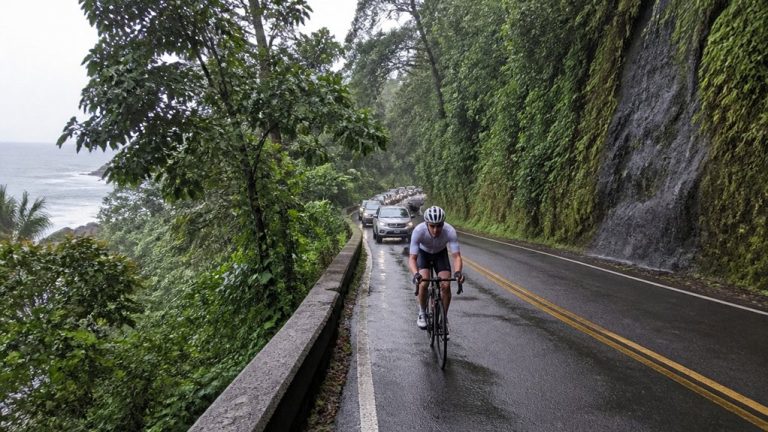
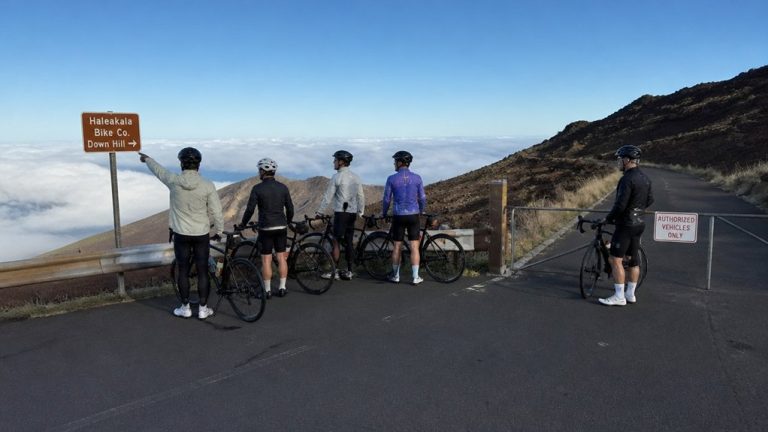
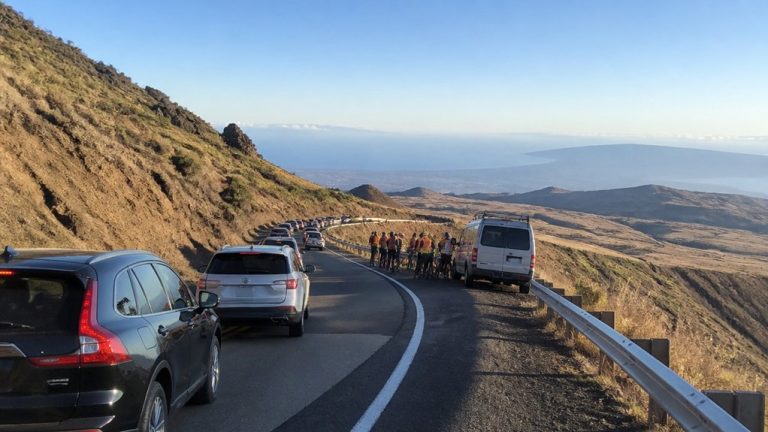
Haleakalā by bike is not exactly a lazy cruise, and that’s the point. You can ride public roads on the volcano, including the paved park access road and the twisting county lanes below the boundary, but you won’t find a smooth little bike path waiting for you. Expect cold air, sharp switchbacks, rough shoulders, and long views over rust-red slopes. Tour routes and park rules add another layer, and that’s where things get interesting.
Key Takeaways
- Bicycles are allowed on public roads to and from Haleakalā, including the park access road and county roads below the park.
- Most commercial bike tours cannot legally start inside Haleakalā National Park or from the summit.
- Commercial downhill rides usually begin just outside the park boundary, around 6,500 feet, after a van shuttle uphill.
- Independent cyclists may ride the summit road, but they must share narrow, winding roads with motor vehicles.
- Downhill biking is high risk due to steep grades, fast speeds, weather changes, and limited shoulders or bike lanes.
Where Can You Bike at Haleakalā?
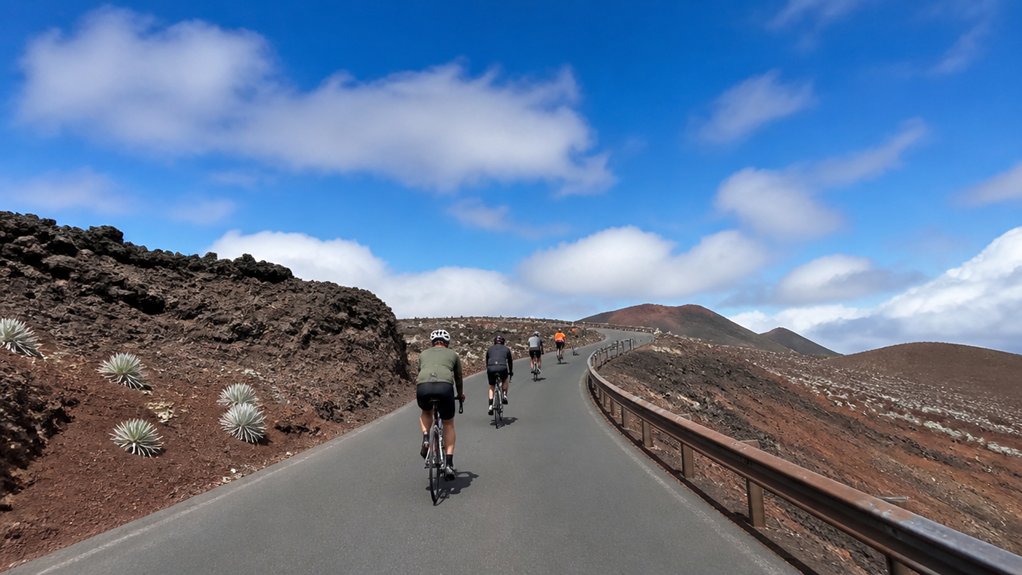
Where can you actually bike at Haleakalā? You can ride the public roads that climb and descend the volcano, but most riders begin at the legal 6,500-foot staging area outside Haleakala National Park. That’s why many Maui bike tours load you into a van first, then set you up for the paved descent below the park boundary. Most bike tour itineraries begin with a van shuttle before riders start the downhill portion outside the park.
On the road, you share narrow lanes with cars, buses, and locals heading to work. A downhill bike can hit 25 to 30 mph, so solid handling matters. You’ll want a mountain bike with disc brakes, a helmet, and steady nerves when reflectors, guardrails, or grit appear in the shoulder. Guided tours usually include gear and support. If weather turns moody up high, they may start lower instead.
Which Haleakalā Roads Are Open to Bikes?
Here’s the simple breakdown: bikes are allowed on the Haleakalā access road and the county roads below it, but the usual legal starting point sits around 6,500 feet outside the national park boundary. For your Haleakala bike ride, that means you’ll typically roll from staging areas outside Haleakalā National Park, not from the summit road above.
You’ll share pavement with cars, buses, and tour vans on a winding route with tight switchbacks, skinny shoulders, and no continuous bike path. Some stretches have reflectors, pylons, guardrails, and stray debris, so you need to stay alert. Many riders pass through Kula and Makawao, with one highway section often skipped by van. Because the road feels fast and exposed, operators recommend helmets, disc brakes, and solid downhill experience. Weather shifts quickly too. Most commercial tours begin near the park boundary rather than inside the summit area, in line with the standard legal bike start outside Haleakalā National Park.
Do Downhill Bike Tours Enter the Park?
You might expect a downhill tour to roll straight through Haleakalā National Park, but most commercial rides actually start outside the boundary, often around 6,500 feet. That’s because park rules limit certain commercial activity inside, so operators use the highest legal staging points just beyond the entrance. If you’re picturing a summit launch, check the route first, because the classic windy descent usually begins where the park ends. Questions about tour safety often come up too, since riders are descending steep, winding roads at high elevation rather than biking from the summit inside the park.
Park Entry Limits
Although many visitors picture a bike tour starting at Haleakalā’s 10,000-foot summit, most commercial downhill rides don’t actually enter the national park. If you book a Haleakala Bike tour, you’ll usually start outside the National Park and roll down public roads instead. That’s how operators handle safety rules, county limits, and permit requirements.
- Most tours begin near 6,500 feet, outside park boundaries.
- Many include a van ride toward the entrance, then unload just beyond it.
- Independent cyclists may use the summit road, but commercial tours often can’t.
- You should confirm the exact route with the operator before you go.
Some companies now emphasize a guided van tour alternative for visitors who want the Haleakalā experience without a downhill ride inside or near park boundaries.
If you want a legal descent from inside park boundaries, check current NPS rules first. Routes change, and “park access” in ads can sound broader than it is today.
Outside Park Start Points
Most downhill bike tours set off from a 6,500-foot staging area outside Haleakalā National Park, not from the summit road inside the park. That means you don’t actually pedal inside park boundaries on a standard commercial ride. Instead, you board a van shuttle and skip a county-required highway section through Kula before the descent begins.
For self-guided riders, 6,500 ft is also the highest legal start. The narrated drive often climbs higher by vehicle, but your bike route starts outside the entry station. Because of that, you usually won’t pay park entrance fees or need a summit sunrise reservation. Many operators frame this as a Haleakalā bike tour from Paia, even though the actual ride begins outside the park boundary. You still get the Haleakalā story, though. Guides often share geology, culture, and local history as eucalyptus scents drift through the windows. It’s a neat workaround, and your brakes will notice.
What Bike Rules Matter Most at Haleakalā?

Before you roll down Haleakalā, you need to know where bikes can legally start and which park rules still shape your route. You’ll share narrow winding roads with cars and buses, so a solid helmet, strong brakes, and the skill to handle sharp switchbacks really matter. If the wind starts howling or rain slicks the pavement, you can’t just wing it, and that’s exactly why outfitters stick to strict safety rules. The key bike tour rules also determine where you can and can’t ride within the Haleakalā area.
Road Access Rules
When you roll onto Haleakalā’s roads, the big rule is simple: you’re sharing paved summit-to-sea routes with cars and buses, and there usually aren’t dedicated bike lanes or shoulders to give you extra space.
For Maui Biking, access rules shape every descent:
- You may ride park roads, but commercial downhill trips can’t legally start from the summit.
- The highest self-guided commercial start is 6,500 feet, outside the park entrance.
- You’ll need to pay the entrance fee if you ride in as an individual cyclist.
- Check park alerts, weather, and the crater webcam before you go.
Road laws matter here. You need to follow posted speed limits and all traffic rules as clouds move fast over lava and switchbacks. Tour companies also expect reliable disc brakes, because the pavement is long, steep, and not forgiving. Riders also ask about tour length, since Haleakalā bike tours vary in distance and total time depending on the starting elevation and route.
Rider Safety Requirements
Gear up for Haleakalā with a little humility, because this descent asks for real skill, not just nerve. You need experience on steep 5–6% grades, fast runs near 25–30 mph, and tight switchbacks. The 5–6% grades are a big reason the Haleakalā downhill ride feels demanding even for confident cyclists. Every Rider must be at least 15 and meet the height requirement, usually about 4’10” to 4’11”. Use a bike with disc brakes and suspension. Know your hand brakes cold.
| Rule | Why it matters |
|---|---|
| Skilled riders only | Roads are narrow, winding, and shared with buses |
| Age and fit checks | Proper bike fit improves control |
| Follow guides and traffic laws | Blind curves punish sloppy choices |
| Weather can change plans | Wind or rain may lower the start point |
If weather turns moody, tours can cancel, adjust, or send van support quickly.
What Gear Do You Need to Bike Haleakalā?
Pack for Haleakalā like you expect two seasons in one ride. Near sea level, the air feels softer, but up high you’ll want real layers and solid equipment that fits you well.
- Ride a mountain bike with disc brakes, suspension, and gears. Tour fleets often use bikes like the Redline Monocog 29-inch.
- Wear a fitted helmet, usually full-face, plus gloves and closed-toed shoes. Your hands and feet will thank you.
- Bring a wind and rain jacket, rain pants, water, electrolytes, and a snack. A small backpack keeps it simple.
- Carry the route map or QR code, and make sure your height and weight fit the bike limits. You should also feel comfortable using hand brakes at faster downhill speeds.
For the summit section, pack cold-weather layers since conditions can feel much colder and windier at higher elevation.
Why Are Haleakalā Bike Warnings So Serious?
Those extra layers and strong brakes matter because Haleakalā’s downhill ride isn’t just scenic, it’s officially marked high risk. On Haleakalā, you share narrow, winding roads with cars and buses, and many stretches have no shoulder at all. The grade stays steep, about 5 to 6 percent, with tight switchbacks where your speed can quickly jump to 25 or 30 mph. That’s thrilling until a gust, wet pavement, or loose gravel reminds you who’s boss.
The High Risk label also reflects real history. Past crashes, injuries, lawsuits, and repeated safety advisories show these warnings aren’t dramatic. High altitude adds another twist. Cold air, thin oxygen, rain, and sudden wind can dull your focus and affect braking. Riders also need to manage hand braking strain on the long descent, since constant squeezing can fatigue your hands and reduce control. Even with guides, rules, and solid bikes, you can’t erase every hazard entirely.
Is Biking or Driving Haleakalā Better?

Usually, driving Haleakalā is the better choice for most visitors because it gives you more control, more comfort, and a much bigger safety margin. You can manage layers for 40°F sunrise cold, stop when views pull you over, and use water and restrooms at Headquarters or Haleakalā Visitor Center.
- You set the pace to the Haleakalā summit.
- Roads are paved, and your car buffers wind and weather.
- downhill bike tours are thrilling but marked high risk.
- A guided bike tour helps, but skill rules still apply.
Many operators package a bike tour with breakfast, which can sound convenient but does not reduce the demands or risks of the downhill ride. Bike descents run about 98% downhill at 25 to 30 mph through switchbacks. Roads stay narrow, shared, and shoulder-less. If you’re an active couple in your 60s, drive for sunrise. Then skip the ride, or book full support only.
Frequently Asked Questions
Do I Need a Park Reservation to Bike Haleakalā?
You don’t always need a reservation to bike Haleakalā; timed entry applies if you start inside the park or visit summit sunrise. For guided tours, confirm included park passes. Starting outside usually doesn’t require one.
Are E-Bikes Allowed Inside Haleakalā National Park?
No, you generally can’t ride e-bikes inside Haleakalā National Park. You should verify e bike regulations directly with the park, since trail access rules, temporary closures, and battery storage or safety requirements may affect your visit.
Can Children Bike Haleakalā With an Adult?
Yes, children can bike Haleakalā with an adult if they meet age limits. You must keep minors with you, follow trail etiquette, and choose guided tours if your child can safely handle steep, fast descents.
What Weather Conditions Commonly Affect Haleakalā Bike Rides?
Blustery, biting conditions commonly affect your Haleakalā bike ride: you’ll face high winds, heavy rain, fog drizzle, and fast temperature swings. You should layer up, hydrate well, and expect possible delays or cancellations.
Is There Bike Parking Available at Haleakalā Trailheads?
You won’t find reliable bike parking at Haleakalā trailheads. Expect limited bike racks, sparse trail signage, and narrow pullouts. You’ll often need your own lock or van support, while shuttle access and facility status can change.
Conclusion
If you bike Haleakalā, you get lava slopes, crisp summit air, and long quiet curves under your wheels. You also get real limits. Public roads are rideable, but shoulders shrink, weather flips fast, and most tour descents begin outside the park. Check the route, bring solid brakes, and dress for cold and sun. Is the thrill worth the caution? If you plan well, you’ll roll away with sharp views and all your nerves intact.