Many Haleakala bike tours set the minimum age at about 15, which tells you right away this isn’t just a lazy coast downhill. You need the right height and weight for the bike, plus enough riding experience to brake well, shift gears smoothly, and stay calm on fast curves. Add sunrise chill, thin air, and winding road noise, and the question gets interesting fast. So how do you know if you’re a good fit?
Key Takeaways
- Most Haleakala bike tours require riders to be at least 15; minors must ride with an adult.
- Minimum height is usually 4’10” to 5’0″, depending on operator and bike fit requirements.
- Maximum rider weight is commonly 280 to 300 pounds, with strict enforcement at check-in.
- Recent biking experience is typically required; these tours are not ideal for beginners or rusty riders.
- Riders should confidently handle disc brakes, shifting, winding descents, and speeds above 25 mph.
What Are the Minimum Haleakala Bike Tour Requirements?
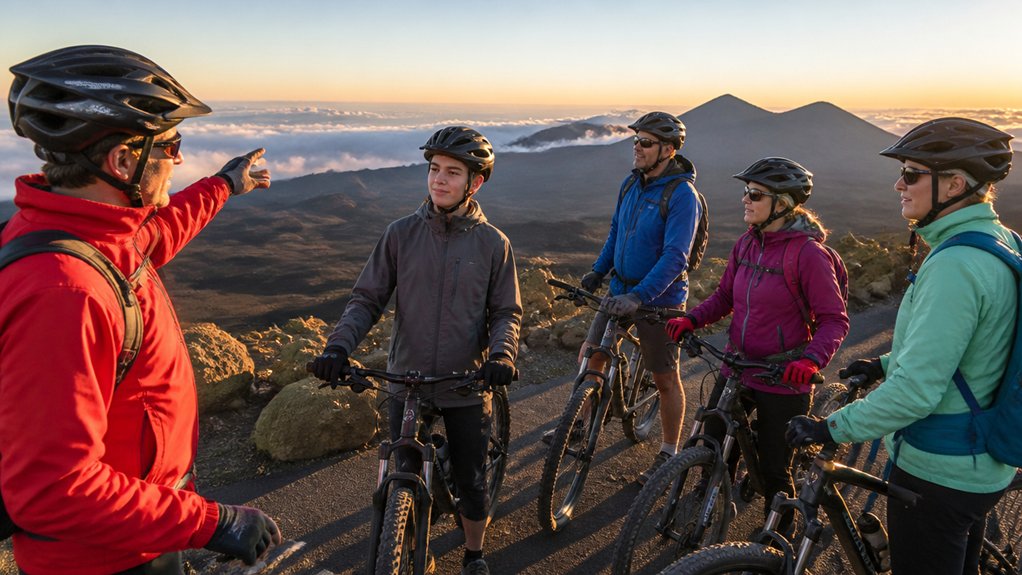
Before you picture that long glide down Haleakala, make sure you meet the basic bike tour rules. You need the minimum height listed by your operator, usually 4’10” or 4’11”, so you can fit the bike and handle it confidently on the mountain road.
You also need recent biking experience, not just a dusty memory from years ago. Guides expect you to be comfortable using disc brakes, riding winding paved roads, and controlling speed above 25 mph as cool air whistles past. Most companies also set a rider weight limit, often 280 to 300 pounds. Height and weight limits can vary slightly by company, so always confirm the exact requirements before booking. If you’re pregnant, you’ll need to sit this one out. Think of these rules as your ticket to a smoother, safer descent, with sunrise glow ahead and no white-knuckle surprises around the next turn.
How Old Do You Have to Be?
How old do you have to be to join the ride? For most Haleakala downhill bike tours, the minimum age is 15. If you’re under 18, you’ll need an adult to come along. That rule keeps the day smooth from the chilly summit air to the winding road below.
Age isn’t the only box to check, though. Riders must have recent biking experience and solid mountain-bike handling skills, because this isn’t a beginner cruise. You should be in good health and free of any condition that could affect safety. Pregnancy means you can’t ride. You may also see a height requirement listed by some operators, along with the minimum age. Maui bike tour age requirements can vary slightly by operator, so check the tour’s details before you book. Check the tour’s details before you book, so you can focus on the sunrise colors, cool wind, and long coast downhill ahead.
What Is the Height Requirement?
Before you book, check the height rule closely, because most Haleakala downhill bike tours require you to be at least 4’10”, while some set the bar at 4’11” or even 5 feet. Those numbers help make sure you fit the bike properly and can handle the brakes and gears as the cool morning air rushes past and the road unwinds below the crater. If you’re under the minimum, or if a tour has a weight limit you don’t meet, you should contact the operator and ask about safer options. For travelers without much riding background, non-cyclists should also ask whether the tour is realistic for their comfort and experience level.
Minimum Rider Height
For most Haleakala downhill bike tours, you’ll need to be at least 4’10” tall, though some operators set the minimum at 4’11”. That minimum rider height matters as much as the posted height requirements, and you’ll need to meet any age rule too. Many companies pair 4’10 with a 15-year minimum, so both boxes must be checked before you roll.
These limits help you ride safely on the bikes operators provide. You need enough reach to control hand brakes and shift gears with confidence on long, winding descents. Since the bike tour itinerary typically follows a step-by-step downhill route, operators use these fit requirements to make sure riders can handle each stage safely. Weight limits are separate, usually around 280 to 300 pounds, depending on the bike. If you’re right at the cutoff, call ahead. A quick check can save you a sunrise disappointment and maybe spare you from standing on tiptoes in the parking lot.
Bike Fit Standards
Check the tape measure, because bike fit is the real gatekeeper on a Haleakala downhill tour. The minimum height requirement is usually 4’10” to 4’11”, depending on the company. That cutoff isn’t arbitrary. You need enough reach to control hand brakes and gears on a mountain bike with big wheels.
On Haleakala’s fast switchbacks, bike fit affects stability, comfort, and confidence. Descents often average 25 mph or more, so a too-big bike can feel twitchy and awkward when the road starts curling downhill. Many operators also set rider weight limits around 280 to 300 pounds, based on each bike’s capacity. The full Haleakala bike tour is long enough that proper fit matters from the first mile to the final stretch downhill. If you’re right near the minimum height requirement, call ahead. Ask about frame sizes and whether they’ll do a quick fit check at check-in before you roll.
Height Rule Exceptions
Although travelers often hope for a little wiggle room, Haleakala bike tours usually don’t make exceptions to the height rule. If you’re under the minimum height, usually 4’10 or 4’11, operators will likely turn you away. That rule protects your bike fit and your control on steep, windy roads above the clouds. On the Haleakala downhill route, those steep grades make proper bike sizing even more important for safe braking and handling.
- Most companies set the minimum height around 4’10 to 4’11.
- Riders below it usually can’t join, even with a waiver.
- Teens must still meet age and height rules and ride with an adult.
- If you’re close to the cutoff, call ahead and ask about bike fit.
You’ll also see weight limits, often 280 to 300 pounds, tied to equipment fit. But for height, safety comes first. No tiny-tourist loopholes here, sorry.
Is There a Weight Limit?
Yes, you’ll usually face a rider weight limit, and most Haleakala bike tours cap it around 280 to 300 pounds depending on the operator. That number helps the bike fit you right and keeps the brakes and suspension working well on the steep downhill road where the wind hums and the pavement rolls fast beneath your tires. If you’re close to the limit, call ahead to ask about options, because you could be turned away at check-in if the fit isn’t safe. Since people often ask about bike tour safety, operators use these limits as part of their overall safety standards for the Haleakala descent.
Maximum Rider Weight
Plan on a rider weight limit for most Haleakala bike tours, because these downhill setups usually top out between 280 and 300 pounds. For a Haleakala Downhill bike ride, the maximum rider weight depends on the operator and the bike model. Some cap riders at 280 lbs. Others allow up to 300 lbs. Those numbers reflect safety and equipment ratings, especially wheels, frames, and braking on long descents. Most operators cover these limits in their tour guide materials before booking.
- Mountain Riders and similar listings often use 280 lbs.
- Bike Maui and Haleakala Bike Company often list 300 lbs.
- If you’re close to the limit, call ahead and ask.
- Check-in staff can deny rides if you exceed posted limits.
That last point matters. Policies on refunds or rescheduling vary, so confirm details before sunrise pickups and cool mountain air greet you.
Bike Fit Limits
Check the fit before you chase that long Haleakala descent, because these tours do have real size limits. Your bike fit matters as much as the view. Most operators use mountain-style bikes with 29-inch wheels, often models like the Redline Monocog, built for specific rider ranges.
You’ll usually need a minimum height of 4’10” to 4’11” to fit the frame and reach everything comfortably. The maximum rider weight is often 300 pounds, though some companies cap it closer to 280. Limits can also depend on saddle or seatpost load ratings. If you’re outside those numbers, the company may not have a workable setup for you. Policies vary by operator and tour type, so confirm the exact height and weight limits when you reserve. It saves hassle later. If you do not meet the bike fit limits, a guided van tour may be the better Haleakala experience.
Safety And Eligibility
Beyond bike fit, operators also screen for who can ride safely on that long, fast descent. You’ll need more than enthusiasm for sunrise views and cool crater air. The minimum age is usually 15, and if you’re under 18, you must ride with an adult. Operators also set a maximum rider weight, typically 300 pounds, though some cap it at 280. Riders must also follow where to ride rules set for Haleakala bike tours.
- You should have recent biking experience.
- You must know how to use hand-operated disc brakes and gears.
- You can’t join if you’re pregnant.
- You need to be physically healthy, with no condition that could affect control.
This isn’t a beginner cruise. The road is smooth, the pace is quick, and the wind can feel playful until a curve says otherwise. If you meet the basics, the ride feels thrilling, not sketchy.
How Much Experience Do You Need?
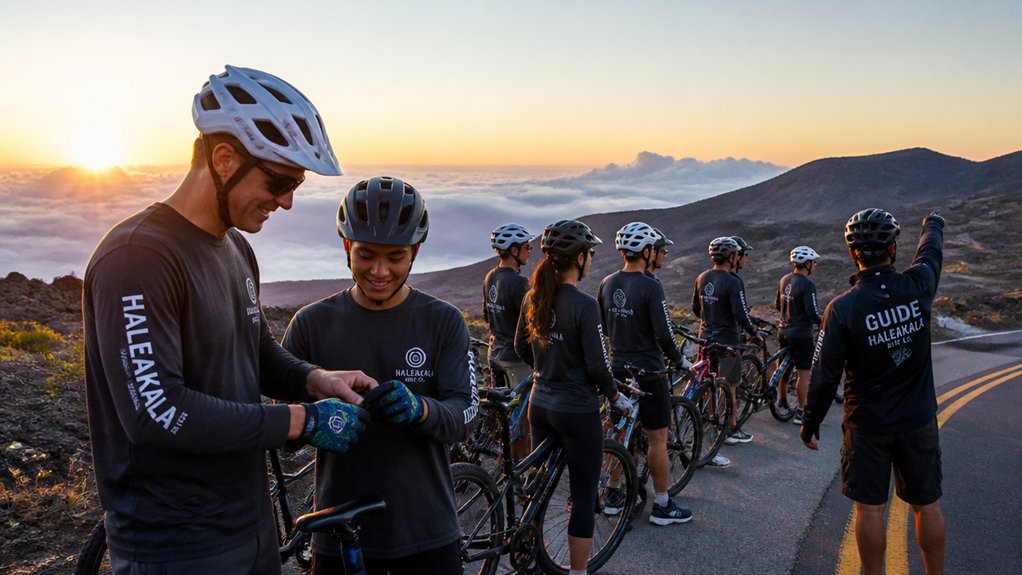
If you’re wondering whether this is a casual coast, it isn’t. You need recent biking experience and solid control on a mountain bike with disc brakes and suspension. On a Haleakala Sunrise Downhill bike ride, you’ll descend for miles at 25+ mph on grades around 5 to 6 percent. You should brake smoothly, shift confidently, and spot gravel, guardrails, and traffic early. Before you go, review beginner downhill tips so your first ride feels more controlled and predictable.
| Skill | What you should handle |
|---|---|
| Braking | Use hand brakes with confidence |
| Shifting | Change gears without hesitation |
| Awareness | Read road hazards quickly |
You also need stamina and focus. The route is mostly downhill, but it still asks a lot from your hands, eyes, and judgment. You must meet age, height, and weight rules too. Pregnancy disqualifies riders for safety.
Why Aren’t Haleakala Bike Tours Beginner-Friendly?
You’re not just coasting on Haleakala. You’re managing a long, steep descent at 25 to 30 mph while tight switchbacks, sharp braking, and narrow roads with cars demand real control. If you’re new to biking, the gear, the speed, and the roadside obstacles can make this ride feel less like a scenic cruise and more like a pop quiz on two wheels. Adding to the challenge, traffic on Haleakala means riders must stay alert to vehicles sharing the road throughout the descent.
Steep Descents And Speed
While the Haleakala ride looks like an easy coast on paper, the descent quickly shows why beginners can get in over their heads. You’re not just rolling downhill. You’re managing a 5 to 6 percent grade where speeds often hit 25 to 30 mph, and that demands real speed control.
- Tight switchbacks ask for precise steering.
- Repeated braking tests your disc brakes.
- Thin air and gusts can unsettle the bike.
- Debris and reflectors appear fast at speed.
As you drop from around 6,500 feet, weather can shift quickly. Rain slicks the pavement. Crosswinds tug at your front wheel. Curving roads keep coming, and each turn asks you to brake smoothly without grabbing too hard. It’s thrilling, yes, but it’s also a serious descent. Your hands, eyes, and nerves all need to stay sharp. That’s also why many riders compare guided vs unguided options before booking, since the descent is not especially beginner-friendly.
Shared Roads And Skill
Often, the hardest part of a Haleakala bike tour isn’t just the downhill. You’re on shared roads, often narrow and shoulderless, with cars and tour buses moving past. That means your downhill bike ride depends on more than bravery. You need solid biking experience and calm awareness in traffic.
You’ll also manage 25 to 30 mph speeds, 5 to 6 percent grades, and repeated tight switchbacks. On the upper section, some turns are full 180s, so you must brake smoothly and hold your line. Then come the extras: reflectors, guardrails, pylons built for cars, roadside grit, wet pavement, and gusty high-altitude wind. Poor braking technique can also overwork your hands on a long descent, making smooth control even harder. Tour operators know this, so they screen riders, require suspension mountain bikes with disc brakes and gears, and expect you to follow every briefing closely.
What Bike Skills Do You Need Most?
Before you sign up, make sure your bike handling is solid enough for a real mountain descent, not just a casual neighborhood ride. The Haleakala Sunrise Downhill Bike Tour asks more of you than basic balance. You should already feel at ease on a mountain bike with disc brakes and suspension. Recent riding matters too.
Make sure your skills match a true mountain descent, not a casual ride around the neighborhood.
- Use hand brakes smoothly and confidently for controlled stopping
- Corner cleanly on steep, winding roads with tight switchbacks
- Hold your line near cars, reflectors, guardrails, and debris
- Ride with steady focus if gusts or wet patches appear
You don’t need beginner lessons here. You need practiced control for a downhill ride on roads that keep changing shape. Riders joining a bike tour from Paia should expect these same handling demands on the descent. Operators also require minimum age and height rules, because bike fit helps you stay comfortable, stable, and safe all the way down.
Can You Handle the Speed and Descents?
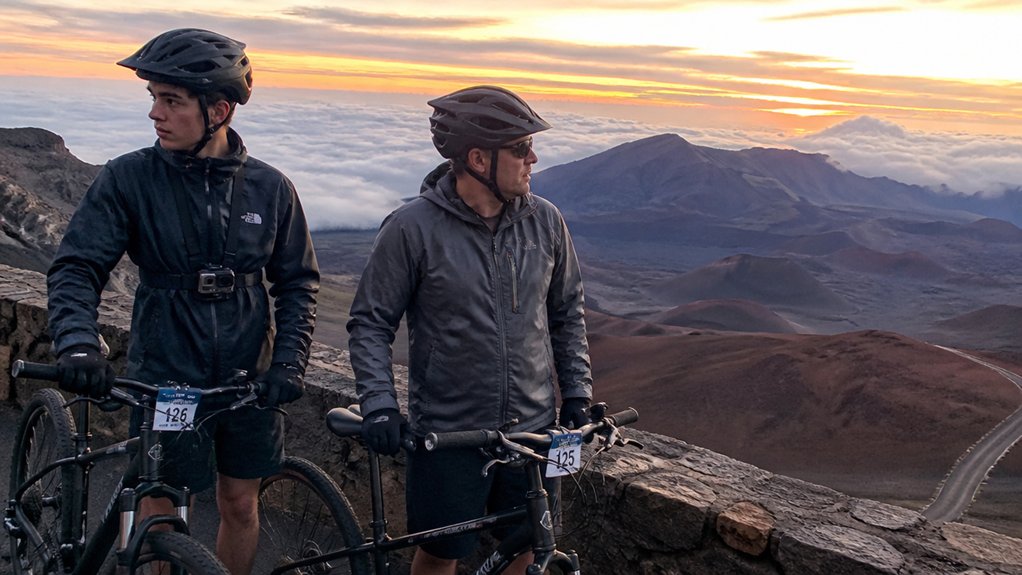
Good handling skills are only part of the test. On a Haleakala Sunrise Downhill Bike Tour, you’ll roll into long descents at 25 to 30 mph on grades around 5 to 6 percent. That sounds breezy until you meet a string of 180 degree switchbacks. You need steady nerves, confident cornering, and smooth use of disc brakes.
The minimum age matters for a reason. These downhill stretches run 6.5 miles at a time, sometimes doubled, and they’re not beginner territory. You must be healthy, not pregnant, and able to use hand brakes while riding safely near vehicles. Guides supply helmets, gloves, and rain gear, plus sweep support. Still, you’re the one who must stay focused, read the descent, and keep your speed calm and controlled. Travelers also often ask whether the sunrise bike tour is still happening before booking, since availability and policies can change.
What Road Conditions Should You Expect?
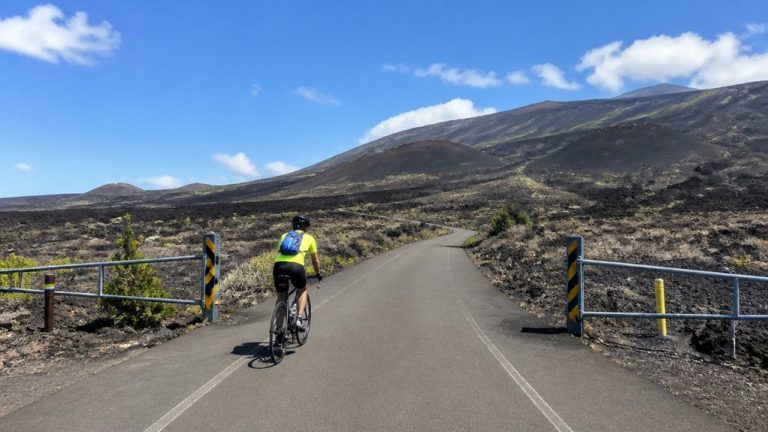
While the road is fully paved, it doesn’t feel easy for long. On the Haleakala Sunrise Downhill Bike Tour, you’ll roll over paved roads that twist through tight 180-degree switchbacks, sometimes repeating over a 6.5-mile lap. You’ll brake often, shift often, and stay alert.
- Expect steep grades around 5 to 6 percent, with downhill speeds often reaching 25 to 30 mph.
- Most sections have no real bike lane, so you’ll share narrow road with cars, vans, and occasional buses.
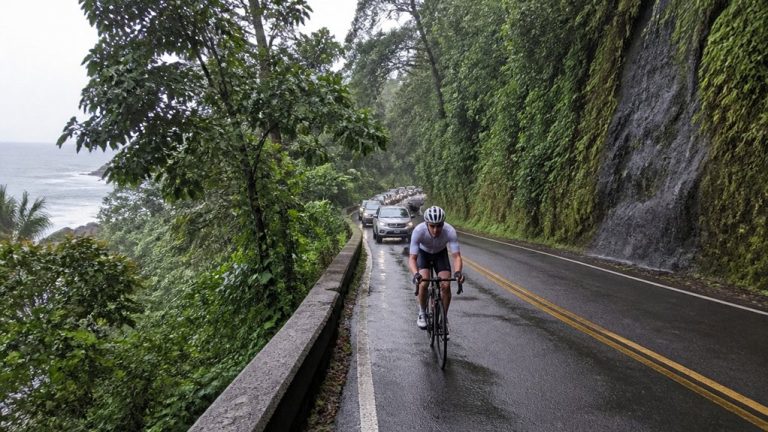
- Watch for guardrails, reflectors, pylons, debris, and slick patches when the pavement gets wet.
- Weather can flip fast from warm sun to cold wind, and gusts may force you to slow down or restart lower.
Beautiful, yes. Relaxed? Not exactly. Still, the changing views keep you curious. That’s why Maui bike tours are often judged less by comfort and more by whether the scenery and thrill feel worth the effort.
What Gear Is Included on the Tour?
Pack light, because the tour covers most of the important gear for you. Mountain Riders usually supply a Redline Monocog mountain bike with disc brakes, plus Full-face helmets and full-finger gloves. You’ll also get wind and rain layers, often Helly Hansen, so chilly summit air and surprise mist won’t boss you around. It’s still smart to bring warm clothing layers for changing summit weather and early-morning cold.
| Included gear | What it does |
|---|---|
| Bike | Stable downhill ride |
| Helmet and gloves | Extra protection |
| Jacket and pants | Blocks cold and rain |
| Backpack, lock, map | Carries gear and helps navigation |
| Water, snacks, van help | Adds comfort and backup |
You can stash small items in the backpack, lock up during stops, and follow the printed route map. Some operators also include bottled water, snacks, and sweep-van support if needed.
What Health Restrictions Can Disqualify You?
The tour may hand you the right bike and layers, but operators still screen riders closely before they let you roll down Haleakala. You can’t join if pregnancy applies, if you aren’t physically healthy, or if a condition could affect braking, balance, or coordination on the mountain road.
- Recent cardiac issues can disqualify you.
- Uncontrolled seizures are a hard stop.
- No recent biking experience can be a deal breaker.
- Exceeding the maximum rider weight means no ride.
You also need to handle a mountain bike with disc brakes, suspension, and gears at a safe downhill pace. If you’re under 15, below the minimum height, or above the maximum rider weight, you’ll be turned away. It sounds strict, but those cool switchbacks and quick descents don’t reward wishful thinking or wobbly legs. If you’re booking the Kahului pickup option, double-check the timing details in advance so you arrive ready for screening.
What Happens at Check-In and on Tour Day?
How does tour day actually unfold once you reach Paia? You start with check-in at the shop, which opens at 8:30 am. Then comes gear fitting and a mandatory safety briefing at 8:45. Miss the 9:00 cutoff and the van leaves without you, no dramatic chase scene. Most Haleakala bike tours begin in the morning, so arriving on time keeps the rest of the day on schedule.
| Step | Time | What you do |
|---|---|---|
| Arrive | 8:30 | Show eligibility, bring phone |
| Gear up | 8:30-8:45 | Get bike, helmet, gloves |
| Briefing | 8:45 | Learn brakes, rules, weather |
| Ride | After van | Complete two downhill laps |
You’ll receive a disc-brake mountain bike, jacket and pants if needed, a backpack, lock, and route map. After a narrated 45-minute drive to about 6,500 feet, you ride two self-guided 6.5-mile descents with sweep-van support nearby. Wear closed-toe shoes and layers.
Is a Haleakala Bike Tour Right for You?
Before you book, make sure this ride matches your skills as much as your sense of adventure. The Haleakala Sunrise Downhill Bike Tour rewards confident riders, not first-timers. You’ll descend steep grades, often above 25 mph, on winding public roads with switchbacks, grit, and shifting weather.
- Check the minimum age. You must be 15, and riders under 18 need an adult.
- Confirm fit. Most operators require at least 4’10” to 4’11” and cap weight around 280 to 300 pounds.
- Be honest about recent biking experience. You should handle disc brakes, suspension, gears, and speed without panic.
- Know your body. Good health matters, and pregnancy means sitting this one out.
If those boxes feel easy, you’ll likely love the cold dawn air, big crater views, and satisfying brake hum.
Frequently Asked Questions
Can Pregnant Riders Join a Haleakala Bike Tour?
No, you can’t join a Haleakala bike tour while pregnant; operators enforce pregnancy precautions and deny participation. Even with medical clearance, trimester restrictions don’t apply here, because pregnancy itself disqualifies you. Contact the operator for alternatives.
Are Electric Bikes Available for the Haleakala Downhill Tour?
Yes, you might find electric bikes, but they usually aren’t standard for Haleakala downhill tours. You should call operators directly to confirm electric availability, ask about battery restrictions, and compare tour options before booking your ride.
Can I Bring My Own Bike and Helmet?
Yes, you can, like bringing your favorite surfboard, but you’ll need operator approval first. Confirm your own bike meets transport rules, passes gear inspection, and make certain your helmet fit meets their safety standards beforehand.
What Happens if It Rains or Weather Cancels the Tour?
If it rains, you’ll usually still ride, but you’ll start lower or use van support. If weather cancels, you’ll get the refunds policy, alternate scheduling, and no tour postponement fees, with notice around 7:30 am.
Are Photos or Video Packages Offered During the Tour?
Like postcards on the wind, you usually won’t get photo packages, video highlights, or souvenir prints included. You should ask your operator ahead, since guides may offer stops for pictures, and you can bring your phone.
Conclusion
If you meet the age, height, health, and skill rules, you’re in for a smooth ride into Maui’s cooler side. You’ll clip on a helmet, test your brakes, and roll past lava rock, silver cloud bands, and eucalyptus-scented air while the morning hush breaks under your tires. If the limits give you pause, that’s just the tour’s polite way of keeping surprises off the road. Call ahead, ask questions, and choose the trip that fits you best.