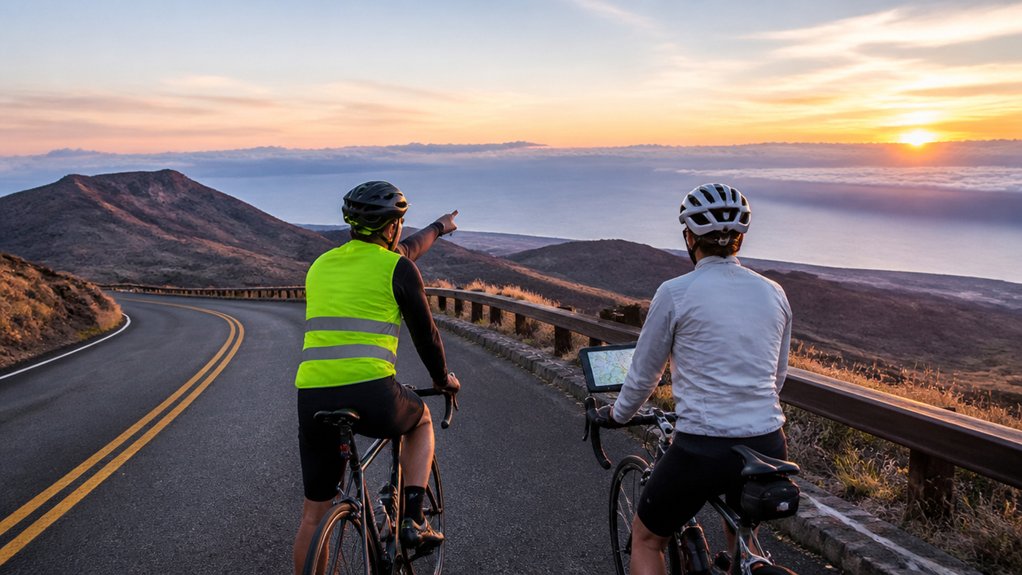
On Haleakala, the same downhill road can feel like two different adventures. You can roll in a guided group at a steady 12 to 15 mph with stories in your ear, scenic stops ahead, and a chase van close behind. Or you can set your own pace, pull over when the crater light turns silver, and trust your map, phone support, and a backup ride if your legs start negotiating. The better choice depends on what kind of morning you want.
Key Takeaways
- Guided Haleakala bike tours provide a pace-setting guide, narration, scenic stops, and a chase van for immediate roadside support.
- Self-guided tours let you ride at your own pace, linger at viewpoints, and use maps, directions, and phone support.
- Both options usually start around 6,500 feet, include van transfer through Kula, and provide bikes, helmets, backpacks, and rain gear.
- Guided tours suit riders wanting structure, commentary, and group pacing, while self-guided rides fit couples, families, and independent riders.
- Prices vary by operator, summit or sunrise access, and inclusions, so compare age, weight, cancellation, and shuttle logistics before booking.
Guided vs Self-Guided Haleakala Bike Tours
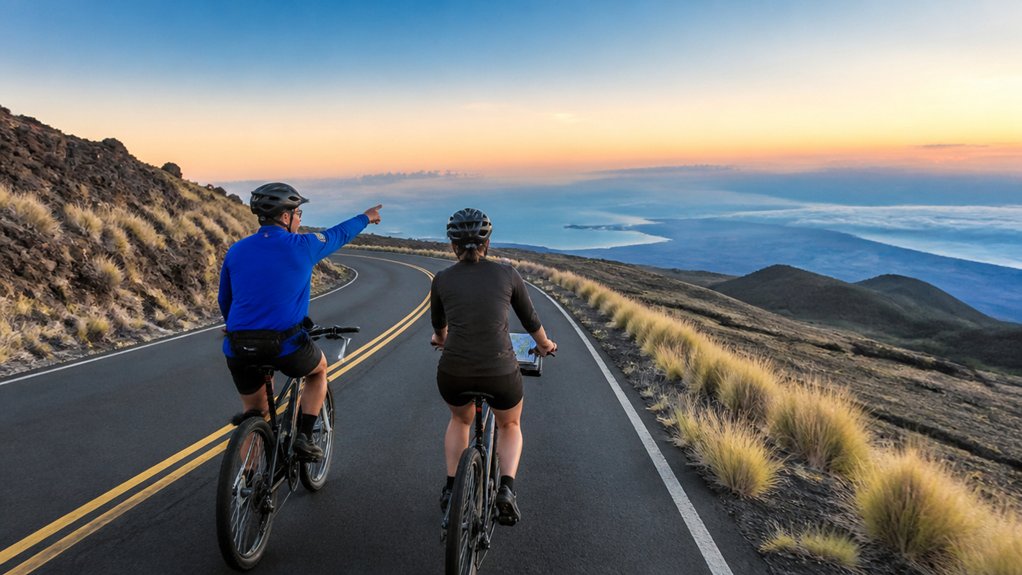
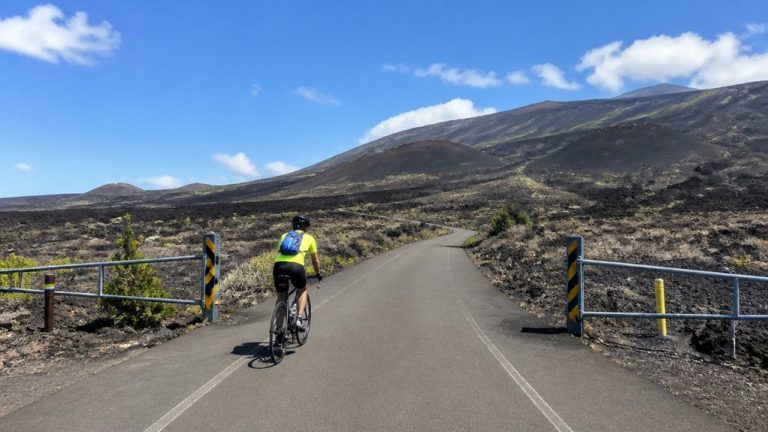
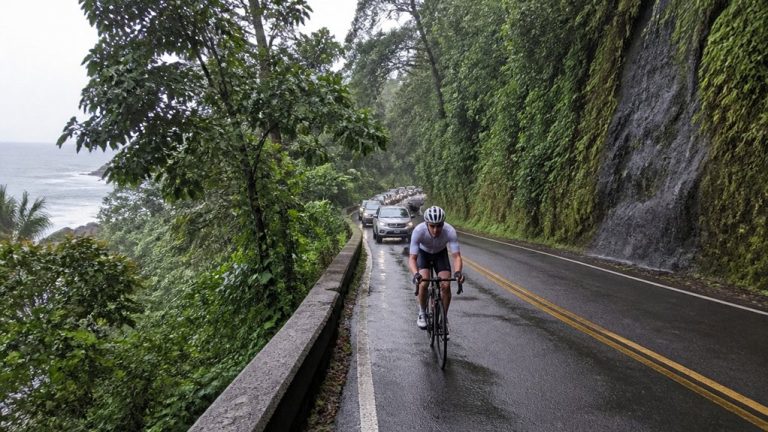
If you’re choosing between guided and self-guided Haleakala bike tours, the real question is how much structure you want once the van drops you at about 6,500 feet. On a Haleakala Bike Tour, both options roll through roughly 23 to 26 miles of mostly downhill road, with cool morning air, sweeping crater views, and eucalyptus-scented curves.
Guided Bike Tours suit you if you like a set rhythm and extra reassurance. They usually move at about 12 to 15 mph and work well for first-timers. Self-guided tours fit you if you’d rather choose your own tempo and linger where the jacaranda blooms or surf-town storefronts catch your eye. You’ll still get backup, but it’s less immediate. Prices also shift by operator, summit access, and sunrise timing, so your budget may steer the answer too. Another key choice is whether you want a shuttle or self-drive start, since transportation to the launch point can shape convenience, timing, and overall tour value.
What Guided and Self-Guided Tours Include
While both tour styles share the same big downhill thrill, what’s wrapped into the day feels a little different once you look past the bike. With Haleakala Bike Company, you’ll get a Kona mountain bike with disc brakes, a helmet, backpack, and Helly Hansen rain gear either way.
- A guided tour adds narration, a pace-setting guide, and a chase van behind you.
- Self-guided tours give you maps, directions, phone support, and a support vehicle if trouble pops up.
- Both options use the required van transfer through Kula and usually start riding around 6,500 feet.
On summit versions, park admission is typically included. Guided rides also build in scenic stops and lunch breaks in towns like Makawao or Paia, with mellow group speeds around 12 to 15 mph. Most rides follow a step-by-step itinerary so guests know exactly how the day unfolds from van transfer to the downhill finish.
Which Haleakala Bike Tour Is Right for You?
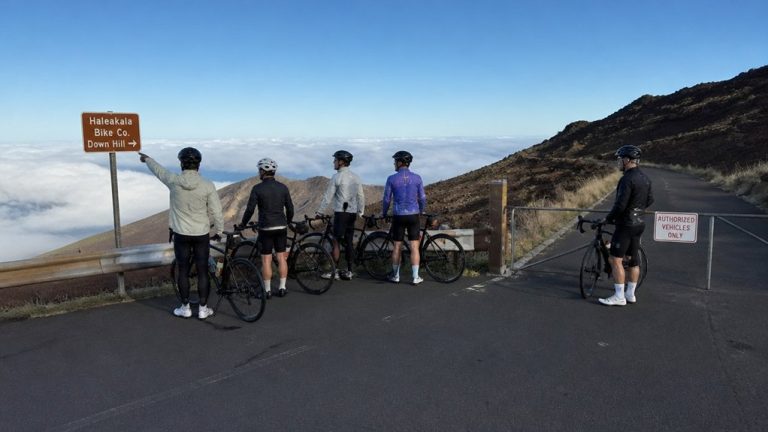
The choice really comes down to how you like to travel once the road opens below Haleakala. If you want structure, commentary, and a leader setting an easy 12 to 15 mph pace, a guided bike tour fits well. You’ll get scenic stops, a chase van behind the group, and often summit admission on sunrise trips.
Choose self-guided if freedom matters more. You’ll ride about 26 mostly downhill miles from around 6,500 feet and stop when Kula, Makawao, or Paia catches your eye. A self-guided Downhill Bike Tour usually lasts five to six hours. It suits couples, families, and riders who don’t want a group of 13 shaping the day. Before booking, check age, weight, cancellation rules, and the required van transfer through Kula before Makawao for everyone. The main difference in the guided van experience is that it emphasizes narration and support over independent pacing.
Frequently Asked Questions
What Should I Wear for a Haleakala Bike Tour?
Wear layered clothing: a thermal base, fleece, and waterproof shell. Choose sturdy footwear like closed-toe shoes, plus full-finger gloves. Add sun protection with sunglasses and sunscreen. You’ll also need a properly fitted helmet securely.
Can Children Join Guided or Self-Guided Haleakala Bike Tours?
Yes, kids can join if they’re 15 or older; younger riders can’t. Check age limits, ask about child discounts, and note family bikes aren’t typical. You’ll choose guided support or self-guided freedom, training wheels for confidence, freedom for fun.
How Far in Advance Should I Book a Haleakala Bike Tour?
You should book 2–4 weeks ahead for popular dates; reserve sunrise tours several weeks earlier. Check seasonal availability, since holidays sell out fastest. For self-guided rides, best timeframes are 1–2 weeks ahead, though last minute options sometimes remain.
What Happens if Weather Cancels a Haleakala Bike Tour?
If weather cancels your Haleakala bike tour, you’ll usually get weather refunds or tour rescheduling, because apparently even volcanoes need boundaries. You might get alternative excursions, too, so check your operator’s policy and morning updates carefully.
Are Haleakala Bike Tours Safe for First-Time Riders?
Yes, you can ride safely as a first-time rider if you follow instructions, maintain helmet fit, use solid braking technique, and practice terrain awareness. You’ll feel most comfortable choosing a guided tour with support nearby.
Conclusion
Funny, isn’t it? You ride down a volcano to relax, then spend time choosing how much structure you want. If you like stories, scenic pullouts, and a van close behind, go guided. If you’d rather chase the cool dawn air at your own pace, go self-guided. Either way, you’ll roll past eucalyptus, hear tires hum on smooth pavement, and watch Maui open below you. The hard part isn’t the ride. It’s deciding how free you want to feel.