You can have an amazing Haleakala bike tour, but you shouldn’t mistake that sunrise glow for a gentle coast. The road drops fast through cold air, sharp hairpins, wet pavement, and surprise gravel, and your brakes and hands do real work the whole way. Add passing cars and quick weather swings, and the ride feels more serious than the postcard suggests. So is it safe? That depends on who you are, how you ride, and who’s leading the trip.
Key Takeaways
- The Haleakala bike tour can be safe for experienced riders, but the long downhill, hairpins, traffic, and weather make it inherently high risk.
- It is not recommended for beginners, nervous riders, or anyone lacking strong hand-brake control, stamina, and downhill riding experience.
- Crashes, serious injuries, and at least one fatality have been reported, showing mistakes on this route can have severe consequences.
- Guided tours improve safety with briefings, proper bikes and helmets, staff support, and shuttle pickup for tired, lost, or struggling riders.
- Maui County limits downhill riders to age 15+, bans tandem riding, and operators screen for fit, weight, pregnancy, and braking ability.
Is the Haleakala Bike Tour Safe?
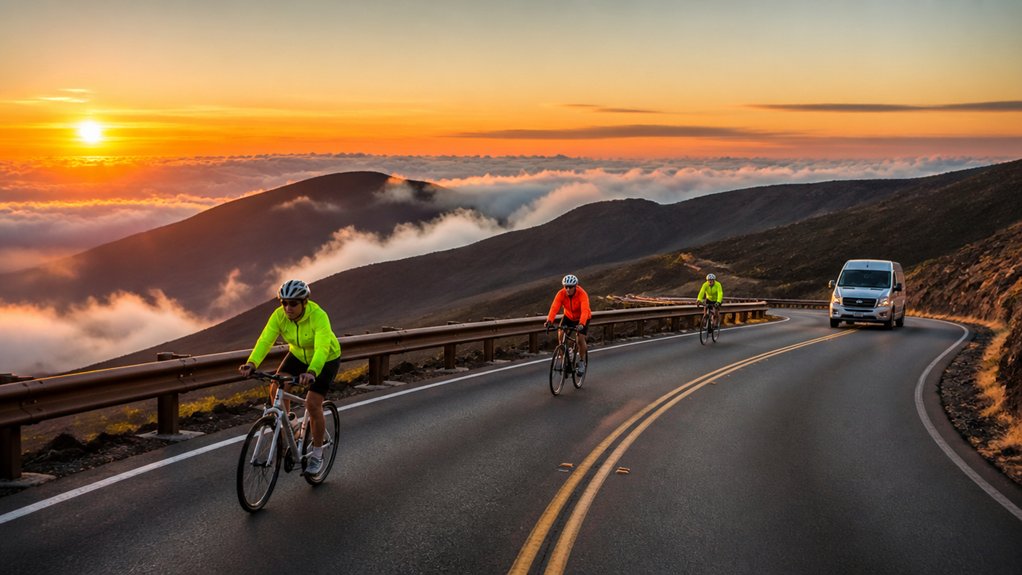
While the Haleakalā bike tour often feels calm and scenic, it isn’t automatically safe for every rider. You’ll coast downhill with gravity doing the work, but you still need solid control on long curves and tight hairpin turns. A Haleakala Downhill Bike ride can feel leisurely, yet it asks more of your hands and focus than many visitors expect.
Tour operators help a lot. You get a helmet, rain gear, a safety briefing, and help if you need it. Still, this ride suits people with recent biking experience who can brake confidently and handle speed. Riders should also understand the age and height requirements before booking, since tour eligibility is based on specific safety rules. You also need to meet the rules: age 15 or older, under 300 pounds, not pregnant, and minors need a parent or guardian. Ride cautiously, and the views can be unforgettable.
What Makes Haleakala Dangerous?
You’re not just coasting downhill here. You’re handling steep paved curves, tight hairpin turns, close traffic, and fast-changing cold or wet weather that can make your brakes and visibility feel a little less friendly. That’s why your skill matters so much, because if you’re not confident with hand brakes, speed control, and safety rules, this famous ride can get serious fast. The Haleakala downhill route is known for its steep descent, which adds another layer of challenge for riders who aren’t prepared.
Steep Curves And Traffic
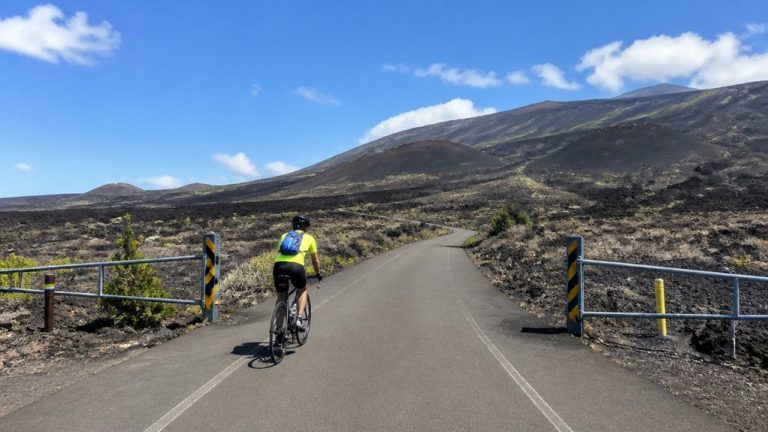
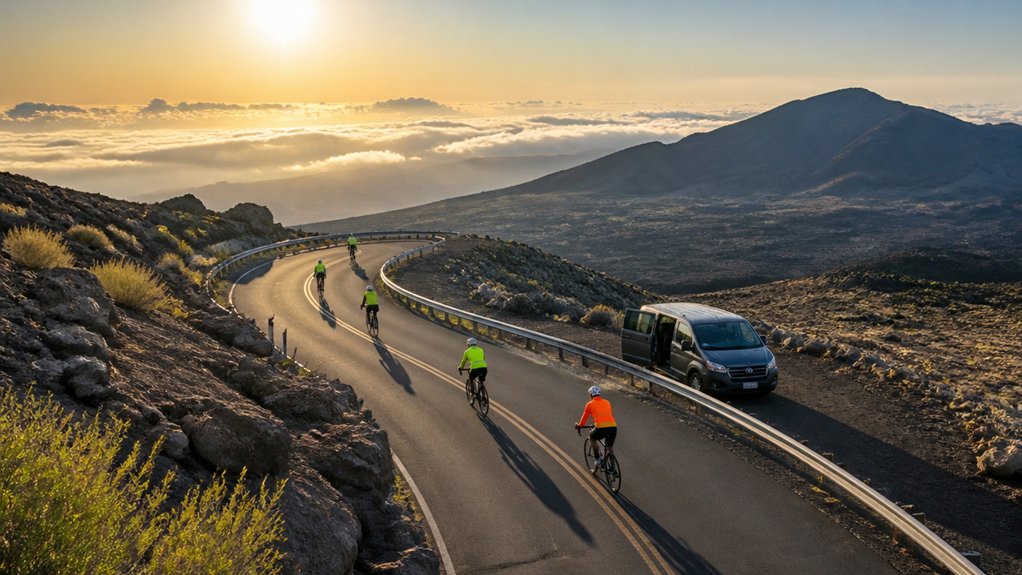
Because the Haleakalā descent drops you onto steep, winding pavement almost right away, the road can feel thrilling one second and unforgiving the next. Even with support from Haleakala Bike Company, you’re quickly dealing with hairpins, narrow lanes, and traffic that doesn’t leave much breathing room.
- You’ll ride the brakes through repeated 180-degree turns, where speed builds fast.
- Cars and big vans can pass close beside you, especially on tighter curves.
- Reflectors, pylons, guardrails, and stray debris can catch a tire or force a sudden line change.
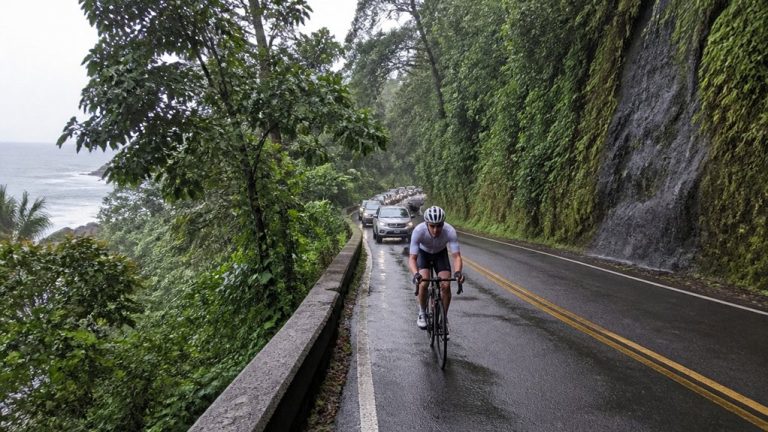
- Fog, damp pavement, cold air, and early darkness can blur the road ahead and cut traction.
Most riders on a Haleakala Downhill Bike Tour spend a long stretch descending public roads, which is exactly why staying alert to curves, vehicles, and changing conditions matters so much.
Those details matter. Reported injuries, and even a fatality, show how one missed line or braking mistake on a curve can turn a scenic coast view serious fast.
Rider Skill And Conditions
Even if the scenery looks calm from the overlook, Haleakalā gets dangerous fast when rider skill doesn’t match the road. On Haleakala, you’re not coasting on a beach path. You’re managing long, steep downhill miles, 180-degree hairpin turns, and a steady need to feather hand brakes so speed doesn’t run away.
That means you need recent riding experience and real comfort on a mountain bike with disc brakes and suspension. Your hands have to stay strong for repeated braking. Your focus has to hold, too. Cars and big vans pass close. Debris appears where you don’t expect it. Cold, thin air can shift to warm lowlands and changing visibility. Riders also need to be prepared for traffic conditions that can change quickly along the route. Beginners should sit this one out. County rules now require riders to be at least 15 and 4’10” for good reason.
Who Should Skip the Ride?
If you’re new to bikes or get rattled by steep hairpin turns, long braking, or cars passing nearby, this ride can feel less like a scenic glide and more like white-knuckle homework. You should also skip it if you’re under 15, shorter than 4’10”, pregnant, over 300 pounds, or dealing with any condition that affects your balance, braking, or stamina on a long downhill. And if you need close group supervision, struggle to stay focused, or know high-altitude roads make you panic, it’s smarter to sit this one out and enjoy Haleakala another way. Even riders considering this route should review beginner downhill tips beforehand, since the ride demands confidence with braking, cornering, and staying alert for long stretches.
Inexperienced Or Anxious Riders
Who should sit this one out? If you’re uneasy on a bike, this descent may feel more white-knuckle than wonderful. Inexperienced riders should skip it if long, steep downhill runs and repeated 180-degree hairpin turns sound intimidating. You need calm focus, steady braking, and real comfort with hand brakes for the full ride. On a Haleakala bike tour, changing conditions and a sustained descent can make this route especially stressful for riders without solid downhill experience.
- If you haven’t ridden recently, don’t test your skills here.
- If frequent braking tires your hands or weakens your control, pass.
- If close cars, guardrails, reflectors, debris, or fast weather shifts spark anxiety, choose another plan.
- If you panic easily, get distracted, or lose focus on extended descents, take the self-paced option, a van shuttle, or do something else.
Better to admire the crater without gripping handlebars like a drama prop.
Children And Restricted Riders
Some riders need to bow out before the first coast downhill. If you’re under 15, you can’t join a downhill Haleakalā bike ride under the county rule that took effect February 1, 2023. Tandems aren’t allowed either, so younger kids can’t simply hop on behind an adult. Even at 15, you need to be at least 4’10” and able to squeeze hand brakes and steer through steep, winding turns with traffic nearby.
Under county rules, only guided tours may ride the approved downhill route, and riders must stay off restricted sections where biking is not allowed. If you’re under 18, a parent or guardian must handle the waiver process. You should also skip the tour if you weigh over 300 pounds or you’re pregnant. Ages on these rides have stretched from 15 to 90, but the risk rises fast for children and new riders. For families, North Shore Bike Path rentals offer a calmer spin.
Why Haleakala Age Rules Changed
Because the Haleakalā descent looks dreamy but rides like a real mountain road, Maui County raised the minimum age for downhill bike tours to 15 on February 1, 2023. If you picture an easy coast from Haleakala National Park, think again. This route brings steep grades, hairpin turns, traffic, and loose debris. Officials changed the rule after injuries climbed, including serious crashes and a past fatality.
A typical bike tour itinerary still involves a structured step-by-step downhill experience, which is one reason operators stress safety briefings and rider readiness before the descent.
- You need recent biking experience, not just vacation courage.
- You must feel steady using hand brakes on long descents.
- You also need the minimum height, usually 4’10”, for bike fit.
- You can’t ride tandem, and under-15 riders can’t join the downhill.
Enforcement runs on waivers and the honor system. For younger riders, many operators now suggest North Shore Bike Path rentals instead instead.
Is the Haleakala Bike Tour Safe for Kids?
That age rule tells you a lot about the bigger question: the Haleakalā bike tour usually isn’t a good fit for kids unless they’re at least 15, tall enough for the bike, and already confident on real mountain roads. On a Maui Bike descent, you don’t just coast and smile for photos. You manage hand brakes, speed, and tight 180 degree turns for miles.
If your child is new to road riding, this route asks too much. County rules ban tandem riding and anyone under 15, and riders must stand at least 4’10”. Minors also need a parent or guardian for waivers. Helmet rules add another layer of safety requirements for Maui bike tours. Add long steep grades, changing weather, and a history of serious crashes, and the answer gets clearer. For experienced teens, maybe. For younger or hesitant kids, probably not.
How Operators Reduce Risk
Start with the basics: tour operators try to lower risk before you ever roll a wheel. They screen riders first. You must meet age, weight, pregnancy, and braking ability rules, so the road isn’t your first test. Your Bike Rental also comes set up for control, not speed.
Tour operators cut risk before the ride begins, screening riders and setting up bikes for control, not speed.
- You get a mountain bike with disc brakes, suspension, a helmet, and weather layers.
- You hear a safety briefing about hand brakes, hand strength, slick pavement, and roadside hazards.
- You ride self-paced after a narrated drive-up, so you can slow down, stop in town, and skip group pressure.
- You can call for shuttle pickup if you’re struggling, tired, or hurt.
Some companies also offer guided or self-guided tour choices, which lets riders pick the level of support they feel safest with. Operators also use waivers and park rules to set expectations. Still, your choices matter most on this descent.
Is Guided or Self-Guided Safer?
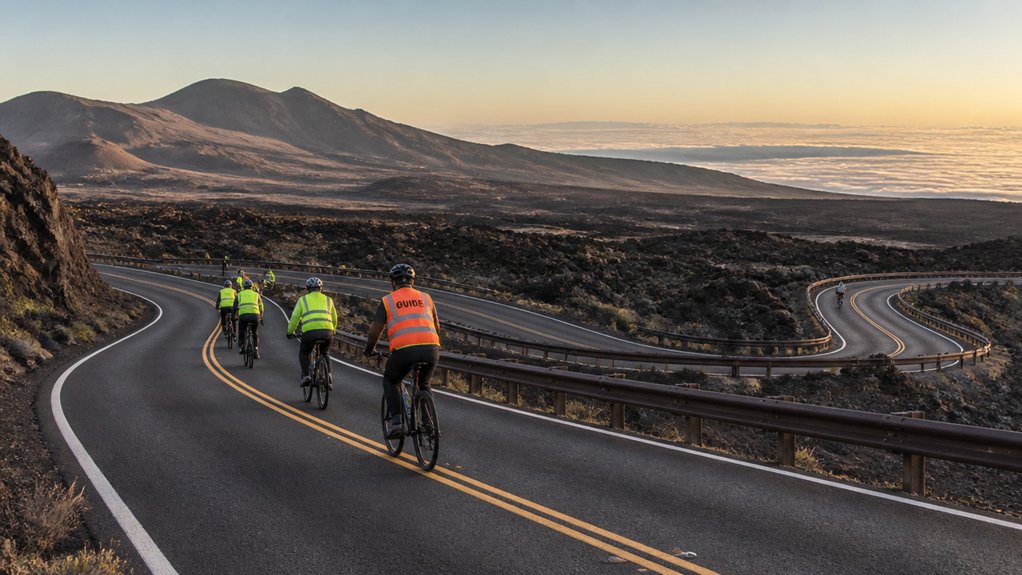
If you want extra backup on Haleakala’s steep, winding roads, a guided tour gives you a safety briefing, proper gear, and staff who can help fast if something goes wrong. If you’re an experienced rider, a self-guided descent lets you set your own pace, squeeze the brakes when you need to, and stop for misty overlooks without group pressure. Either way, you’re still rolling beside traffic on a long downhill, so your judgment and brake control matter more than the brochure’s sunny promises. As with the shuttle or self-drive choice, the safer option often depends on how comfortable you are handling logistics, pacing, and road conditions on your own.
Guided Oversight Benefits
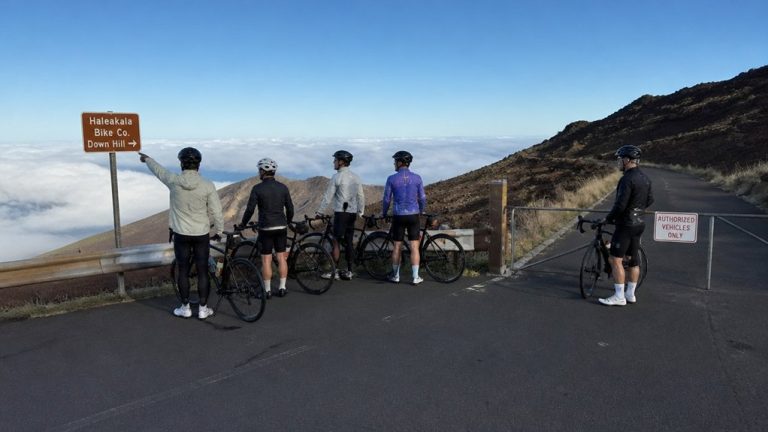
- You start with a safety briefing and narrated drive-up, so you know the route before your wheels roll.
- You have a driver or guide nearby, which means faster pickup help if you’re tired, lost, or rattled.
- You ride equipment the operator supplies, including helmets, disc brakes, and rain gear.
- You benefit from enforced basics like brake use, height limits, and recent riding experience.
- Clear pickup details and tour timing from Kahului add another layer of structure, so riders know when the day starts and how the schedule is managed.
That oversight matters, because skill still decides plenty on this mountain road.
Self-Paced Risk Factors
While a self-paced Haleakalā ride can feel more relaxed because you choose your speed and pull over when you want, it also puts every safety decision in your hands. On a Self-Guided Bike descent, you manage braking, cornering, traffic, and surprises like gravel, reflectors, and sharp 180-degree hairpins.
That freedom lowers group pressure, but it raises the stakes if your skills are rusty. You need recent riding experience, confidence with hand brakes, and the judgment to handle steep grades, guardrails, vans, and changing weather. Since the Haleakalā bike tour covers a long downhill route, fatigue and focus can become safety factors even when the ride feels easy at first. Helmets, disc-brake mountain bikes, rain gear, and safety briefings help, and pickup support can still rescue a rough day. Still, guided tours usually respond faster if you get hurt or lost. If you ride self-paced, the mountain rewards calm focus, not cowboy energy. Even roosters seem to know that there.
What Do Recent Reviews Say?
Recent reviews paint a split picture. You’ll see glowing posts about the self-paced descent, with many riders praising the outfitted summit options and strong ratings. Then you’ll find blunt warnings from families and first-timers who feel uncomfortable on narrow roads with car traffic, reflectors, and tight hairpin turns.
- You’ll spot praise for the scenery, freedom, and easy pickup if plans change.
- You’ll also read that some riders call it unsafe for kids and beginners.
- Several comments mention serious crashes over the years, including long recoveries and even a fatality.
- You’ll notice policy changes too, like Maui County’s minimum downhill age of 15 and no tandems.
Some travelers choose a guided van tour instead, especially if they want the Haleakala views without the stress of a downhill ride.
The pattern is clear. Confident riders often love it. Cautious reviewers say the mountain doesn’t forgive hesitation much.
What Gear and Skills Do You Need?
Before you even think about the sunrise views and that long glide down the mountain, make sure your gear and skills match the road. You should feel confident on steep paved descents, tight curves, and those frequent 180-degree turns. You’ll control speed with hand brakes for miles, so solid downhill experience and strong hands matter.
You also need the right setup. Use a well-maintained mountain bike or hybrid with disc brakes, suspension, and multiple gears, and know how to shift under load without panicking. Wear a fitted helmet, plus a rain or wind jacket for the chilly summit air and gloves to ease brake-hand fatigue. Check the tour rules too. You must be at least 15, meet height and weight limits, stay focused, and know the route and pickup procedures if needed.
Is the Haleakala Bike Tour Worth It?
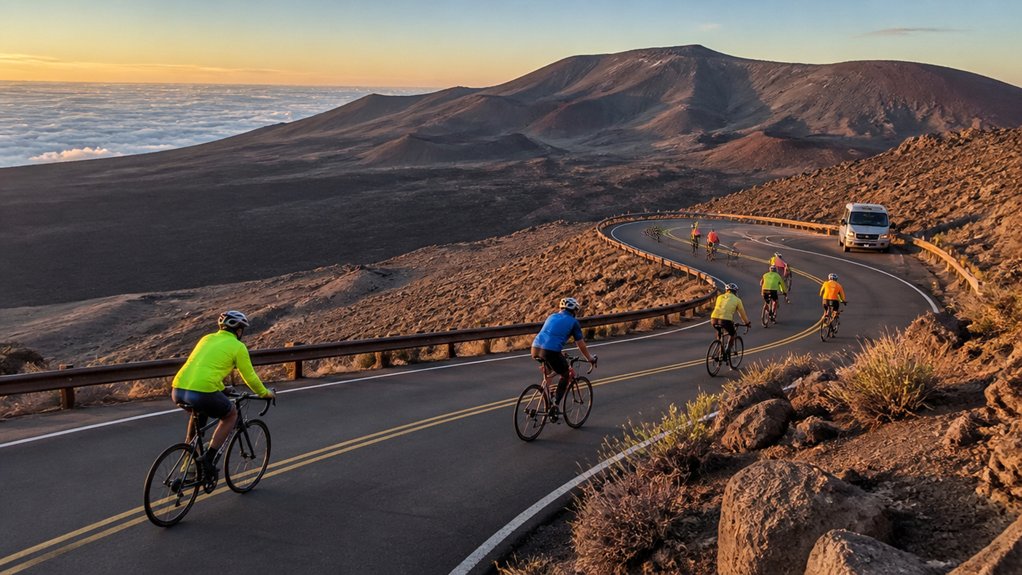
It often comes down to one question: do you want a Maui memory that feels like a postcard and a small adventure at the same time? For many riders, this bike trip is absolutely worth it. You get sweeping Upcountry views, cool morning air, and a self-paced descent that lets you stop for coffee, snacks, or a quick wander through small towns. Most Haleakala bike tours begin early in the morning, which is part of what gives riders that crisp air and quieter-road experience.
A postcard-worthy Maui adventure with cool morning air, sweeping views, and a relaxed downhill ride at your own pace.
- You ride at your own pace with no group pressure.
- You can pause at shops, restaurants, and scenic overlooks.
- You may find the scenery unforgettable.
- You need real downhill control and comfort with traffic.
That last point matters. Reviews aren’t all glowing. Some riders love the bikes, helmets, and briefings. Others say the steep curves and road hazards feel like too much. If you’re skilled and meet the rules, you’ll likely remember it for years.
Frequently Asked Questions
Does Travel Insurance Cover Haleakala Bike Tour Injuries?
Yes, your travel insurance might cover Haleakala bike tour injuries, but you must verify Insurance specifics. Check exclusions for high-risk cycling, mountain biking, medevac, liability waivers, and reporting requirements. Get written confirmation before booking.
What Happens if Weather Forces a Tour Cancellation?
If weather forces cancellation, you’ll usually get rescheduling, credit, or a full refund. Weather cancellations happen when staff judge summit or road conditions unsafe. They’ll notify you during the drive-up or staging and explain your options.
Are Waivers Required Before Joining a Haleakala Bike Tour?
Yes, you’ll sign a liability release before joining, a gentle paper trail acknowledging risks. You confirm your age, biking ability, and understanding of safety rules during registration and briefing, so you can’t ride without it.
Can Pregnant Riders Participate in the Haleakala Bike Tour?
No, you can’t participate in the Haleakala bike tour if you’re pregnant. Tour operators prohibit pregnant riders because the steep descent, turns, and traffic increase risk. Consult physician, disclose your pregnancy, and choose a safer activity.
How Much Does a Haleakala Bike Tour Typically Cost?
You’ll typically pay $99–$199 per person; like chasing Maui’s own yellow-brick road, that’s the Typical cost. You can spend $150–$250 for premium extras, or closer to $75–$100 for basic self-guided options.
Conclusion
So, is the Haleakala bike tour safe? It can be, if you ride with solid skills, respect the mountain, and choose a well-run operator. You’ll face cold air, wet pavement, sharp turns, and the hiss of brakes for miles. That’s not a casual beach cruise. But if the rules fit you and the prep is serious, the descent feels almost cinematic, like your heart’s own VHS tape. If not, watch sunrise instead.