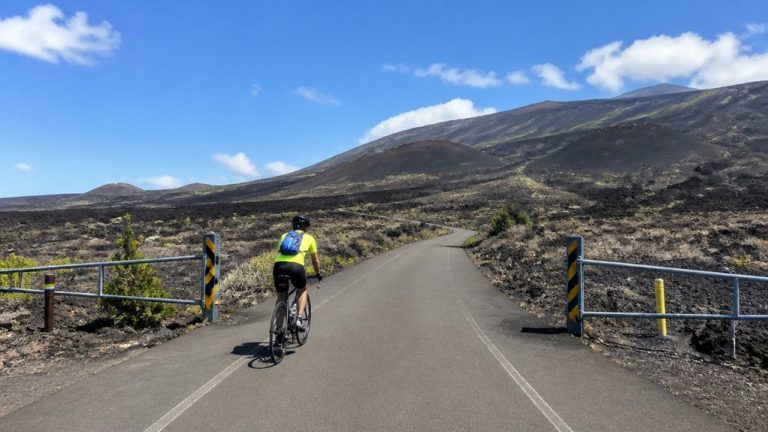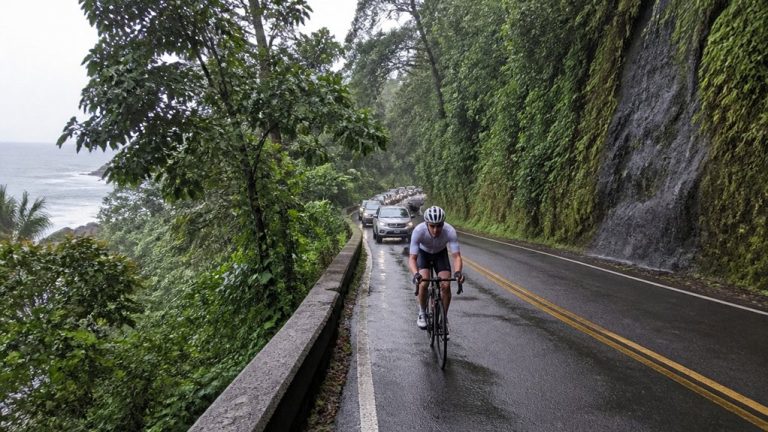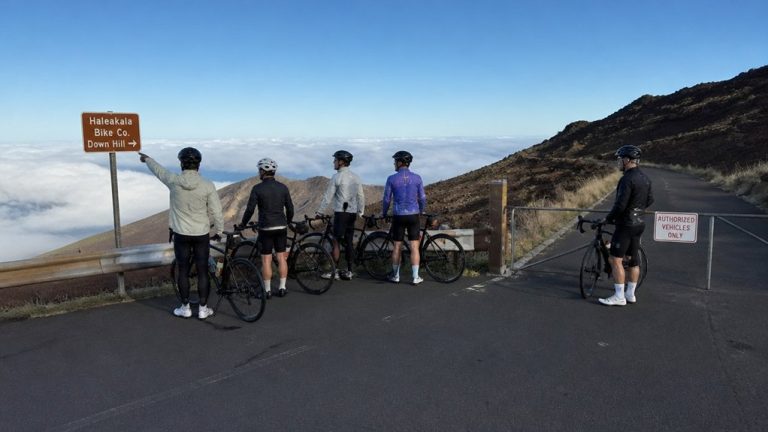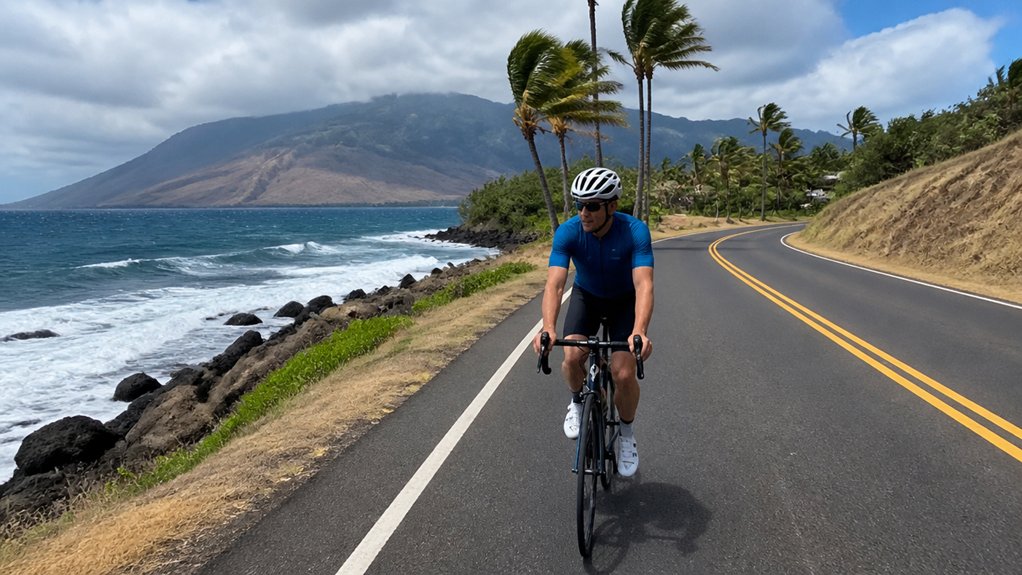
What you might not know is that Maui’s wind can change by the minute as roads pass reef edges, valley mouths, and open slopes. You’ll feel one stretch go quiet, then hear a hard gust rush in like a truck with no patience. If you set your body right, pick a calmer line, and give yourself more room, the island gets a lot easier to handle. The tricky part starts where the road looks harmless.
Key Takeaways
- Check Maui wind, tides, and swell before riding; trade winds often run 15–25 knots, with stronger venturi gusts near valleys and reefs.
- Scan 50–100 meters ahead, choose a conservative line, and leave extra room from rocks, shorebreak, and riders in exposed crosswinds.
- Ride in a low athletic stance with bent knees, firm front arm, relaxed back arm, and let the board or bike move under gusts.
- In crosswinds, aim slightly upwind, steer with small body shifts, and avoid sudden bar or boom inputs that upset balance.
- Slow down early before exposed descents or gust zones, downshift first, and use a buddy plus local advisories for safer launches and landings.
Check Maui Wind Before You Ride
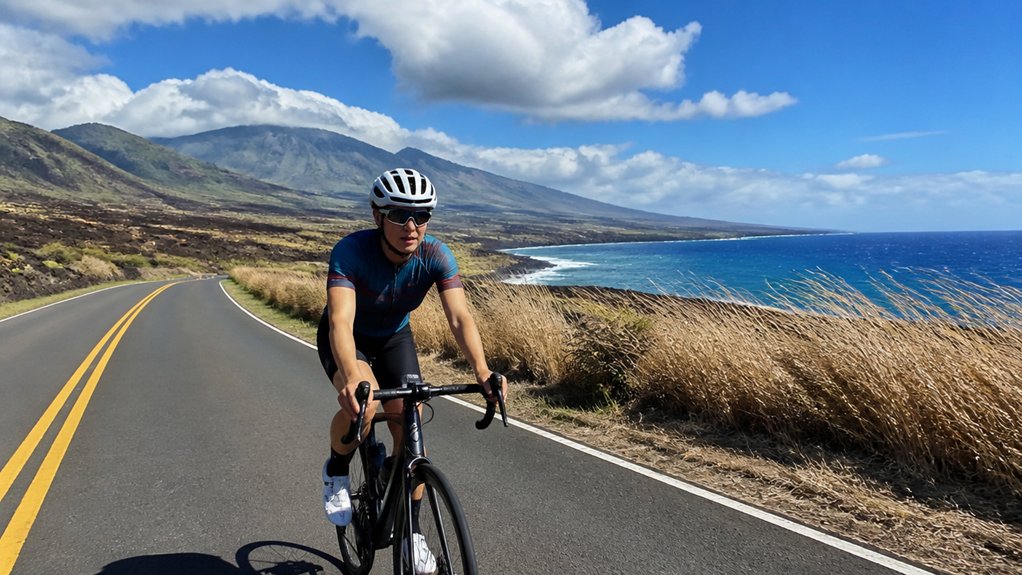
Before you rig a sail or pump up a kite, check Maui’s wind like it’s part of the ride. Start with the daily forecast for trade winds, especially from May through September, when 15 to 25 knots is common. Watch for the central valley too, because it can squeeze the breeze faster than you’d guess.
Then go local. Kanaha Beach park often has mornings when the wind stays lighter for lessons, while Hookipa and Maalaea can roar. Speed Beach at Maalaea can blow much harder than the north shore. Check tide, swell, and any Kona flip. Scan webcams, call lifeguards, and ask a shop about restrictions. At the beach, use portable wind tools to confirm what your eyes and ears already suspect. Gusts can surprise you near reef lines. On Maui bike tours, trade winds can shift from a steady push to a sudden crosswind that changes how the ride feels from one stretch of road to the next.
Set Your Body for Maui Wind Gusts
When a Maui gust rolls in, set your body first and let the gear follow. In Maui’s trade winds, stay low in an athletic stance with bent knees and hips back. You’ll absorb chop better and keep the board connected instead of skipping like a flat stone. Keep your front arm firm and your back arm relaxed. Let the harness and your body weight carry steady pull.
As gusts build, shift your weight slightly windward toward the sail. Then soften that lean in the lull so you don’t tip over the wrong way. Watch flags, whitecaps, and other riders near valley mouths and reef points. Those clues warn you before venturi blasts arrive. In stronger spots, shorten your stance and ease power early. It’s quick, smooth, and saves drama. Staying calm also helps prevent motion sickness when downhill sections and gusty terrain make the ride feel more chaotic.
Hold a Steady Line in Crosswinds
As you cross Maui’s trade winds, you’ll hold a steadier line if you aim a little upwind and keep your stance balanced over the board. You can press the upwind rail with calm control while your harness carries the load, so the hiss of whitecaps and the next sharp gust don’t yank you off course. Watch how the board settles when you lean back, stay loose, and let small body shifts do the steering instead of a panicked tug on the boom. On Maui roads near the coast, remember that safe cycling and attentive driving help everyone share windy routes more safely.
Balanced Stance
Even if the wind starts shoving from the side, you can hold a clean line by building a low, balanced stance from the start. Set your feet shoulder-width on balanced boards, with your front foot forward and your back foot near the mast foot. Bend your knees, drop your center, and lean slightly into the wind while keeping your hips centered.
Face the sail a touch downwind and trim for steady drive. Power control comes from small sheet changes, not big panic pulls, especially in Maui’s 15 to 25 knot trades. Let the mast foot act like a pivot and steer with hips and gentle backhand pressure. At Kanaha or Maalaea, prebend into stronger gusts and ease the sheet briefly. Beginner lessons are scheduled often, and they help this stance feel natural fast. Before heading out, follow a simple step-by-step guide mindset so your setup and body position stay consistent from the start.
Still comparing How To Ride In Wind On Maui: Simple Handling Tips?
Ask for tour ideas, hotel suggestions, or a simple trip plan that combines both.
Trip Helper
Upwind Rail Control
Dig the upwind rail in and you’ll feel the board stop skittering sideways across Maui’s crosswinds. Keep the rail dug in slightly upwind, hips forward, and use back foot steering to hold your angle in the usual 15 to 25 knot trades. Build power with sheeting in little by little until the sail feels steady and alive.
Watch the water darken near the valley mouth. Maui’s venturi can spike the wind fast, so expect stronger gusts there and answer with firmer foot pressure and a tighter edge. If the nose wants to weathercock, nudge mast-base or harness trim until the board tracks cleanly. When gusts hit, crouch lower, press the rail harder, ease the sheet a touch, then re-sheet and stand tall again once it passes. On exposed descents like Haleakala bike tours, traffic can also change quickly, so stay alert to moving conditions around you.
Brake Early and Shift Before Descents
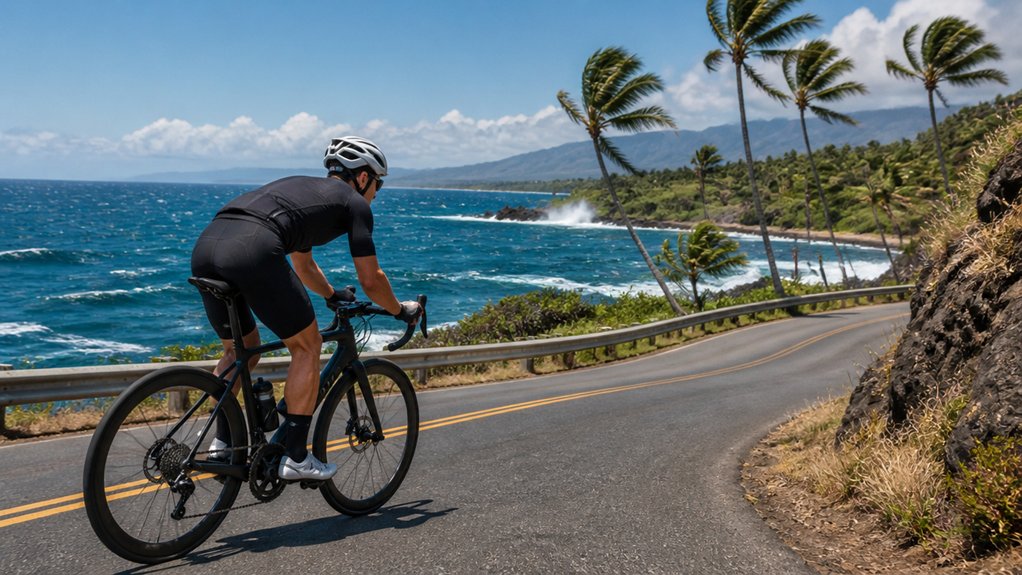
As you roll toward Maui’s windy descents, slow down before the gusts hit and brake earlier than you think you need to. Shift into a lower gear before the road tips steeply so you stay balanced, save your brakes, and keep control when the crosswind starts shoving at your wheels. On stretches like Haleakalā’s approach, that small early move can mean the difference between a smooth line through the curve and a rattly moment with gravel humming under your tires. Knowing the Haleakalā downhill includes steep sections makes early braking and pre-shifting even more important in gusty conditions.
Slow Before Gusts
When Maui’s wind starts to stack up ahead of a valley mouth or a fast downhill run, your best move is to slow down before the punch lands. Near Kanaha, the valley venturi can turn a steady breeze into 1.5x power, fast. You’ll feel the air tighten and hear the chop hiss harder.
- Whitecaps pop like torn paper across the water.
- A dark gust line races toward you from the valley.
- The board suddenly feels light under your feet.
Use preemptive braking before the funnel. Sheet out a touch, steer slightly upwind, and let speed bleed off smoothly. Watch for wind shifts, especially as trades build through the afternoon. If you wait, the gusts choose the timing for you. Better to arrive calm than get introduced to Maui the splashy way. On Maui tours, following helmet guidelines is a smart safety habit before any windy ride.
Downshift For Control
Before the road tilts or the gust line reaches you, brake early and click down one or two gears so the bike stays calm under Maui’s bigger wind. On the north shore, summer trade winds often blow 15 to 25 knots, and funnel zones like Maalaea can jump much higher. If you wait, venturi-accelerated gusts can shove you into too much speed fast.
You’ll do better if you downshift before exposed descents, valley mouths, or downwind stretches like Maliko. Pick a lower gear sooner than feels necessary, especially near Kihei or Kāʻanapali when lulls and surges play tricks off cliffs. This matters even more on routes associated with the Haleakala Bike Tour, where riders often ask whether the descent is safe in changing wind and speed conditions. Think of the sequence as simple trail magic: brake, downshift, settle your cadence. Practice it on calmer Kanaha mornings, where the palms hiss lightly and mistakes stay small, not spicy.
Stay Balanced Descending
Carry that early brake-and-shift habit right into the downhill, because Maui’s descents can turn lively fast. In trade-wind gusts, use braking early well before the pitch steepens. shift to a lower gear before you tip in, so your cadence stays calm and you don’t clamp the levers when crosswinds slap your wheels. On longer slopes, braking early helps reduce hand fatigue and keeps your control steadier as the road drops away. As speed builds, move your weight back slightly and stay loose.
- Picture cane fields flashing silver while valley wind tugs at your jersey.
- Hear reef-side gusts go quiet near tree lines, then rush back around the bend.
- Feel the tires bite as you keep both hands light, eyes up, and steering smooth.
Scan 50 to 100 meters ahead for narrow sections, cars, and wind shadows. Pick a conservative line. Let the bike dance a little.
Leave More Space in Maui Crosswinds
Because Maui’s wind loves to squeeze through the central valley and snap sideways at exposed points, you’ll want to leave more room than you think you need. In Maui crosswinds, smart spacing gives you time to react when gusts shove you off line near shorebreak or open water.
Give yourself 3 to 5 meters from rocks, shore, and other sailors at exposed points. At Kanaha Lower or Hookipa’s Hpoko, stay 20 to 30 percent farther downwind of riders ahead. Near reef edges like Bone Yard, draw a wider upwind arc and keep 10 to 15 extra seconds from hazards. If Kona wind flips in, drop back another board length and get ready to bear off. Launch and land with a buddy watching, and keep 5 to 10 meters clear of swimmers always. If your route passes Hookipa, plan around turtle viewing and surf timing so you avoid extra congestion near the lookout and shoreline.
Watch for Wind Hotspots and Road Debris
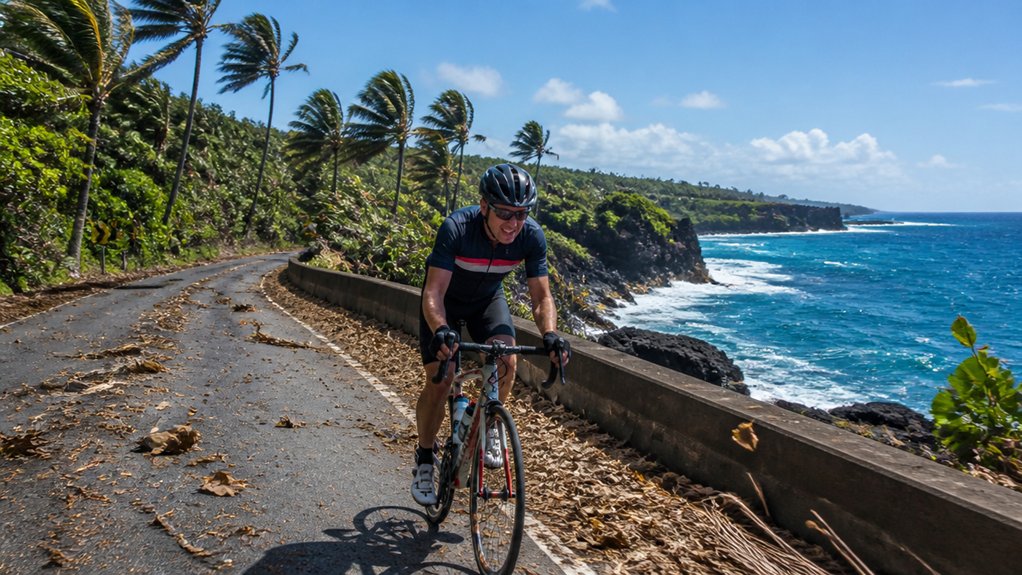
Keep an eye out for Maui’s wind hotspots, since the island can shift from playful breeze to full shove in a few hundred meters. Along the north shore, venturi-accelerated winds near Kanaha to Hookipa can hit about 1.5 times the usual trades and rocket you forward.
- At Maalaea’s Speed Beach, the air can roar at 25 to 45+ knots.
- On Haleakalā’s descent, funnels and thermal shifts can slap you with odd cross-gusts.
- In launch zones, sand, coral shards, driftwood, and other road debris can hide in plain sight.
You’ll want local knowledge before you commit. Ask lifeguards or instructors about fresh gust lines, sand buildup, and weird vortex patches like the Weird Wave between Lowers and Uppers. It’s the island’s version of a surprise pop quiz, but louder. If you’re starting a descent ride from town, confirm your Kahului pickup timing in advance so wind and road conditions don’t catch you off guard before the tour even begins.
Use Simple Safety Habits on Every Ride
Usually, the safest rides on Maui start with a few simple habits before your board even touches the water. Check lifeguard advisories first, and don’t launch before 11:00 am unless you’re in the beginner zone at Kooks Beach. At Kanaha and Hookipa, coverage usually ends by 4:30 pm, so time matters.
Wear a PFD and helmet when you’re trying advanced moves. Clip on a safety leash or quick-release harness so you can separate fast if a gust or wave yanks you down. Monitor wind direction and strength, especially when trades build or Maalaea starts whistling through the valley. Learn right-of-way rules too. You must yield to swimmers, surfers, canoes, kayaks, and SUPs. Ask about Weird Wave and Bone Yard reef. Coral doesn’t forgive, and reefs have no patience.
If you ride a bike to the launch, follow Maui bike laws by using required lights when needed and obeying local road rules.
Frequently Asked Questions
What Tire Pressure Works Best for Windy Rides on Maui?
You’ll want 80–100 ideal PSI for windy Maui rides; drop 5–10 for strong gusts, and 5 more on rough descents. Use psi charts, smart tire selection, pressure testing, and a tubeless setup for better stability.
Should I Use Aero Wheels in Maui’s Stronger Crosswinds?
No, you shouldn’t use deep aero wheels in Maui’s stronger crosswinds. You’ll manage aero tradeoffs better with moderate wheel depth, predictable sidewind handling, solid braking stability, and balanced wheel stiffness, especially on exposed roads and gusty descents.
Which Maui Routes Are Best for Beginners in Windy Conditions?
Want the safest starts? You’ll do best on Coastal flats and a Park loop, then try Leeward rides. Save Upcountry routes and Beginner climbs for calmer mornings, because Maui’s winds build fast by midday.
How Do I Carry Gear Securely When Riding in Maui Wind?
Carry gear securely by using secure straps, low profile panniers, and waterproof drybags; keep weight low and centered. Skip a handlebar roll in gusts, and use a frame mounted holster for essentials so you won’t sail.
When Should I Cancel a Ride Because Maui Winds Are Too Strong?
Cancel when winds exceed your safety thresholds: if gust forecasting shows 35-knot trades at exposed Maalaea, don’t launch. Respect terrain exposure, lifeguard hours, warnings, and your rider confidence, if you can’t waterstart comfortably, choose ride cancellation.
Conclusion
On Maui, wind can feel like a quick-minded riding partner, testing your line and rewarding calm hands. You’ll enjoy the ride more when you scan the ridges, leave extra room, and stay loose through each gust. Listen for palms rattling and tires humming on warm pavement. Watch reef edges, valley mouths, and stray gravel. Start conservatively, ride with a buddy, and let the island’s wild breeze teach you without stealing the fun.