
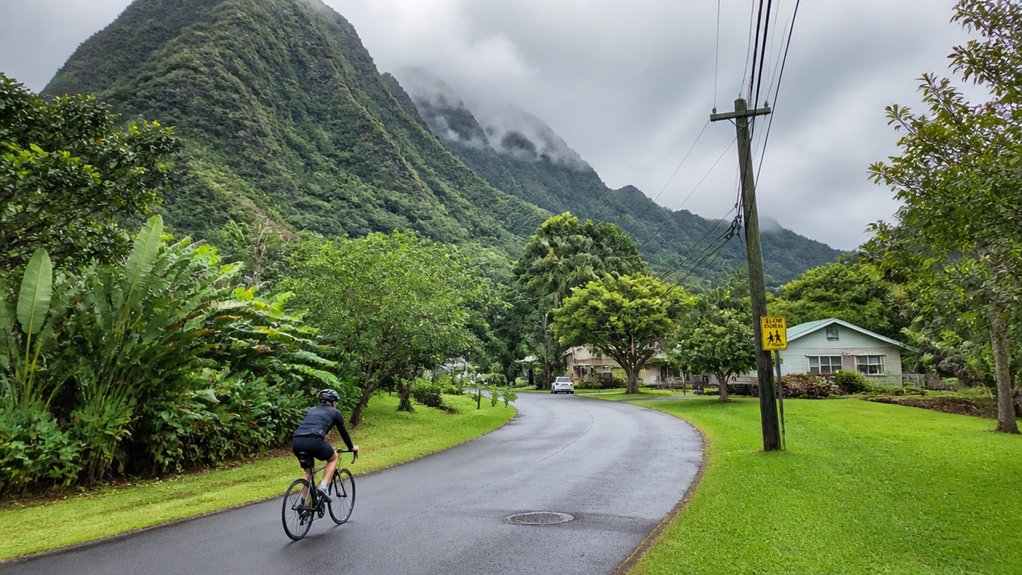
Most riders don’t realize the Iao Valley trip from Kihei is less about distance than the slow, steady climb that sneaks up after Wailuku. You’ll roll past warm pavement, cane-era streets, and the sound of traffic fading into birds and moving water. The roads are mostly good, but shoulders come and go, and the final miles ask for patience, low gears, and a little honesty. The payoff feels close, but not in the way you might expect.
Key Takeaways
- From Kihei, expect about 31 miles round trip and 2.5–3.5 hours moving time, with extra time for Wailuku or garden stops.
- The route gains roughly 1,300 feet, with the real work starting near mile 12 and the final 5.8 miles climbing steadily.
- It’s moderately challenging: manageable for fit riders with climbing gears, but tougher than a casual spin and slower in heat or wind.
- Road conditions are mostly good, but shoulders narrow, traffic increases near Wailuku, and blind corners demand bright gear and careful descending.
- Starting in Wailuku shortens the ride and simplifies resupply, while Kihei offers the full experience and easier early-morning rental logistics.
Is the Iao Valley Bike Ride Realistic for You?
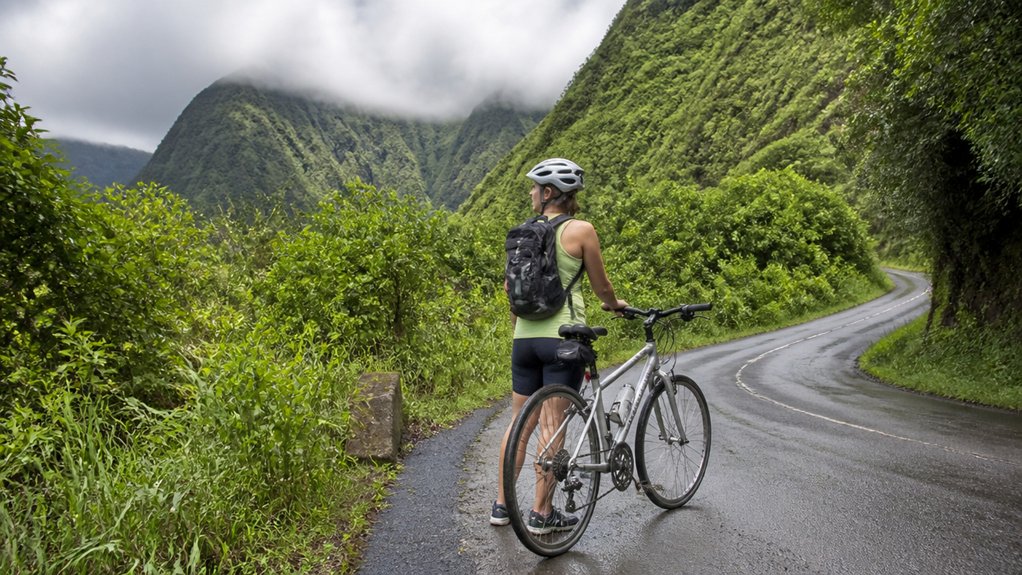
If you’re wondering whether the Iao Valley ride is actually doable, the short answer is yes for many riders, but it depends on how you handle distance, climbing, and traffic. From Kihei, you’re looking at about 31 miles round trip, which suits intermediate riders who cruise around 12 to 14 mph.
You’ll roll over mostly good asphalt, pass shared-traffic stretches, and meet a few blind corners that keep you honest. Near mile 12, the route turns toward Iao Valley and rises to the State Monument parking lot, with exposure along Honoapiilani Highway. If traffic doesn’t rattle you, it feels realistic. Like the Paia to Ho’okipa easy route on Maui’s North Shore, this is more enjoyable when you treat it as a breezy out-and-back rather than a speed effort. You can pause at Kepaniwai Heritage Gardens for restrooms, picnic tables, and cool stream water, then grab coffee in Wailuku. No bike? Kihei rentals and e-bikes make this far more approachable.
How Hard Is the Climb to Iao Valley?
Tackle the ride to ʻĪao Valley expecting a real climb, not an alpine sufferfest. From Kihei, you’ll stack about 1,300 feet over roughly 15 miles via Honoapiilani and Wailuku. The true Valley climb starts near mile 12, then bites harder on the final winding 5.8 miles to the State Park. It’s steadier than brutal, with several sustained pitches, good pavement, and blind corners that keep you honest. If you ride the rolling approach at 12 to 14 mph, budget about 40 to 45 minutes one way. Fit riders can manage standard road gearing, though lower gears feel wiser on hot days. It’s tougher than a casual spin, easier than the West Maui Loop. Riders comparing it with the West Maui Loop will usually find ʻĪao Valley safer and more straightforward, though still rewarding for the scenery.
ʻĪao Valley is a steady, honest climb from Kihei, more work than a spin, but far from a real sufferfest.
- Expect crosswinds
- Watch corners
- Pace the heat
- Descend carefully
What’s the Best Iao Valley Bike Route?
You’ve got two strong choices here: the direct out-and-back to Iao Valley for the simplest ride, or a slightly longer loop through Wailuku if you want more variety. The straight route keeps things easy to follow, while the loop adds downtown coffee, valley views, and a smoother return on Maui Veterans Highway. If you start early and load the route on your phone or bike computer, you’ll spend less time guessing turns and more time enjoying the quiet roads and green walls of the valley. If you’re driving to the start, it also helps to review Maui bike tour parking options in Kahului, Paia, and Kihei before you go.
Still comparing Iao Valley And Wailuku Bike Ride: What’s Realistic?
Ask for tour ideas, hotel suggestions, or a simple trip plan that combines both.
Trip Helper
Best Route Option
Because it’s the cleanest and most practical line, the best ʻĪao Valley bike route from Kihei follows N Kihei Rd to Honoapiilani Highway, then heads inland on Hwy 32 for the steady climb into the valley. You’ll cover about 31 miles round trip with roughly 1,300 feet of gain. The climb starts near mile 12. It feels manageable for intermediate riders and e-bikes, especially in the right time of year. Turn around at the Iao Valley State Monument parking lot for the simplest finish. Riders who enjoy Kula to Makawao routes may appreciate this similarly scenic Upcountry-style effort, though ʻĪao Valley has a very different road feel.
- Load the Cycling Route on your phone or Garmin before rolling out.
- Expect narrow pavement, traffic noise, and a few winding sections.
- Keep your helmet on and your attention sharp.
- Watch the valley walls rise, hear birds in the trees, and enjoy that cool, shaded air near the overlook.
Loop Vs Out-And-Back
Once you’ve got the cleanest line in mind, the real choice is whether to keep it simple or make a day of it. If you want the easiest call, ride the out-and-back from Kihei to Iao Valley. It’s about 31 miles round trip with roughly 1,300 feet of climbing, mostly on Honoapiilani Highway and the final valley approach after mile 12. You’ll reach the parking lot, the furthest practical bike access, then roll back the way you came. If you’re coordinating with a guided ride, confirm the meeting points and check-in details before heading toward Wailuku.
If you want variety, choose the 33-mile loop through Wailuku and Maui Veterans Highway. At 12 to 14 mph, it feels relaxed, especially with coffee and food at Maui Coffee Attic. E-bikes help either way, and Kihei rentals fit the climb. Required fields are marked,email address.
Where Should You Start the Ride?

If you start in Kihei, you get the full ride from the beach with an early rolling start from Kalama Park or the nearby bike shop, plus cooler air if you leave around 5 to 7 AM. If you start in Wailuku, you trim the mileage and reach Iao faster, which can feel pretty smart when the sun turns up and Maui Coffee Attic starts calling your name. Your best start point really comes down to what kind of morning you want: a longer coastal spin with more climbing, or a shorter run that gets you to the valley with fresher legs. This kind of choice is a lot like comparing transportation options for a Haleakala bike tour from Kihei, where your starting point shapes the whole day.
Kihei Vs Kalama Park
For most riders, the real choice comes down to what kind of day you want on the bike. In Kihei, you roll out of a warm beach town, so sunrise departures matter. If you’re using beachside rentals, Kihei feels simple and seamless. You head toward Wailuku, then rise into Iao’s greener air, with room for scenic detours before the jungle-clad climb tightens. Kihei also appeals to visitors looking for a relaxed ride before committing to the inland miles.
- Choose Kihei if you want a clear out-and-back rhythm
- Pick Kalama Park if you’d rather start closer to inland roads
- Kihei suits riders grabbing bikes near Maui Sunriders
- Kalama Park fits group meetups and café-minded loops
Kalama Park feels more practical and a little calmer. You’re closer to Wailuku, shaded roads arrive sooner, and the Maui Coffee Attic lands nicely on the route. Less beach heat, fewer logistics, more pedaling.
Start Point Tradeoffs
Because the ride changes a lot with your starting point, the best place to roll out depends on what kind of morning you want. Start in Kihei at Kalama Park if you want a beach-town spin, easy rental pickup, and the full 31-mile out-and-back with about 1,300 feet of climbing.
Choose Wailuku near Maui Coffee Attic if you want a shorter day. You’ll ride 15 to 18 miles one way and get a reliable food and water stop without overthinking parking logistics. Start in Paia or Kahului if you’re curious about a longer West Maui Loop. That pushes the day to about 33 miles with extra climbs and changing scenery. The Iao Valley lot works only for a short spin or picnic. If you’re coordinating with a guided descent earlier in the day, keep pickup details and timing in mind before choosing your rollout point. Check your gear checklist, consider public transit, and leave between 5 and 7 AM.
How Long Does the Iao Valley Bike Ride Take?
Usually, the Iao Valley bike ride takes less time on paper than it feels on the road, since the final climb slows things down just as the scenery gets more distracting. If you ride from Kihei, expect about 31 miles round trip and roughly 2.5 to 3.5 hours moving time at a steady pace. The shorter Wailuku start to the parking area takes about 40 to 45 minutes each way.
- Your pace variations matter most once the climb begins near mile 12.
- A smart gear checklist saves time when heat, snacks, or water become issues.
- Group dynamics can stretch the clock when someone wants coffee or more photo stops.
- Add 30 to 60 minutes if you stop in Wailuku or wander Kepaniwai Gardens.
Start early, around 5 to 7 AM, and the ride usually feels smoother. Unlike a Haleakala Downhill route, this ride gains time slowly because the return is not mostly descending.
What Are the Roads Like to Iao Valley?
Roll out from Kihei or Wailuku and the road to ʻĪao Valley feels friendly at first, with smooth asphalt, long views, and a steady climb that sneaks up on your legs. Route 30 links to Route 32, where pavement stays solid but shoulders change, and shared traffic keeps you alert. As you near the monument, the road narrows and bends more, with scenic pullouts, brief river crossings, and good wildlife spotting after rain. If valley access feels limited, nearby alternatives around Wailuku can make a more realistic bike day.
| Section | What you’ll notice |
|---|---|
| Route 30 | Broad views, smooth spin |
| Route 32 | Winding, narrower approach |
| Surface | Mostly clean asphalt |
| Turnaround | Paved lot and viewpoint |
| Options | Descend to Wailuku or Waikapu |
You’ll likely stop at the paved viewpoint. Beyond it, the famous needle trail turns into steps, which your bike will find deeply uncharming.
Is It Safe to Bike From Kihei to Wailuku?

You can ride from Kihei to Wailuku safely if you’re comfortable with highway shoulders, steady traffic, and a route that asks you to stay sharp through Wailuku’s busier sections. You’ll want an early start because the wind builds, the sun gets punchy, and the climb toward ʻĪao can feel a lot longer once the pavement starts to shimmer. Pick your line carefully, ride predictably, and this stretch can feel more like a rewarding challenge than a white-knuckle slog. Maui roads often require confidence riding beside highway shoulders, especially where drivers and cyclists are sharing limited space.
Shoulder Width And Traffic
If you start early, the ride from Kihei to Wailuku can feel manageable rather than stressful. You’ll spend much of the route on Honoapiʻilani Highway, where pavement is usually solid and some stretches give you decent shoulder room. Still, shoulder width changes often, and roadside debris can appear fast. That means you should stay alert and keep your line smooth.
- Expect narrow margins in spots, especially where shoulders fade or collect gravel.
- Use visibility enhancements like bright clothing and lights so drivers notice you sooner.
- Practice speed management on descents and before blind corners near the valley approach.
- Take short breaks in turnouts or parking areas so you can reset off the road.
- Follow Maui bike laws by using required lights when needed and wearing a helmet if you’re under 16.
Traffic shares the lane on winding sections, so predictable riding matters more than bravado.
Wind Heat And Timing
Because Maui’s weather can flip the mood of this ride fast, timing matters almost as much as fitness. Your best morning strategy is a 5 to 7 AM start, when Kihei feels cooler and trade winds usually behave. By late morning, exposed stretches can turn noisy and twitchy. In those gustier sections, keep a relaxed grip and expect crosswinds build later in the morning.
| Time | What you feel | Smart move |
|---|---|---|
| 5–7 AM | Cooler air, calmer roads | Start early |
| Midmorning | Crosswinds build | Use gust management |
| Hot days | Sun feels sharp | Focus on heat mitigation |
You’ll notice valley shade near Wailuku, but open highway sections can still throw hard gusts. Check a short range wind forecast before you roll. Ride conservatively around 12 to 14 mph. Carry extra water. If gusts spike or the heat feels oven-like, slow down or wait it out nearby.
Route Choice Through Wailuku
On the practical side, yes, biking from Kihei to Wailuku is a realistic and commonly ridden route, as long as you treat it like a road ride and not a beach cruise.
Follow North Kihei Road onto Honoapiilani Highway and expect a steady climb, not much drama. Pavement is usually good, shoulders appear on main stretches, and the real caution points are traffic, blind corners, and windy patches near Iao Valley Road. If you want downtown navigation, Wailuku is manageable and useful.
Unlike a guided shuttle or self-drive bike tour setup, this ride means handling your own logistics, pacing, and turnaround plan.
- Start early so heat and traffic don’t gang up on you.
- Carry water. Restrooms wait at the monument, not along the way.
- Use Wailuku for local eateries, coffee, and a refill.
- Notice historic landmarks, then turn around at the state monument lot.
You’ll feel the route shift from open road to town texture, then uphill quiet.
When Should You Ride Iao Valley?
Usually, the best time to ride ʻĪao Valley is early in the morning, ideally between 5 and 7 AM, when the air feels cooler, the roads stay quieter, and the climb is far more pleasant.
This lines up with the best time of day for a Maui bike tour, since cooler temperatures and calmer conditions can make the ride more comfortable and enjoyable.
If you’re coming from Kihei, expect about 40 to 45 minutes each way before you reach the valley, with the climb starting near mile 12. Early mornings also help you dodge stronger winds and seasonal heat, which can push valley temperatures into the upper 90s or even hotter. Bring extra water.
Weekdays work best, especially for group rides, because traffic stays lighter on the narrow, winding road. You’ll hear birds more than engines, which feels like a win. If you want to see the ʻIao Needle, budget extra time to walk, use the restroom, and pay the entry fee.
What Bike Is Best for This Ride?
Choose a lightweight road bike if you want the smoothest day on this route. You’ll feel the benefit once the climb starts near mile 12 and keeps asking for steady effort. Compact gearing helps you hold a comfortable pedal cadence, and a good bike fit lets you stay relaxed on flats and descents. For comfortable shoes, choose stiff-soled athletic or cycling shoes that stay secure on the pedals and help reduce foot fatigue on longer Maui bike tours.
- Pick a road bike with 50/34 gearing and an 11–28 or 12–30 cassette for climbing ease.
- Try an e-road bike if heat or fatigue might creep in before Wailuku.
- Use a gravel or endurance bike with 28–32 mm tires if you want extra comfort over rough shoulders.
- Skip a heavy full-suspension mountain bike unless you’re chasing dirt detours.
Rent locally from Maui Sunriders, check tire pressure, and ask for route tips. Your legs will notice.
Do You Need Park Entry Fees or Parking?
Fees here depend on how far into Iao Valley you want to go. If you want the official inner monument area near the Needle, expect entry fees at the park. That includes the lookout and Kukaʻemoku trail beyond the main lot.
If you’re riding just for scenery, you can often skip that cost. Most cyclists get great views and streamside spots from the public parking area near the Needle without entering the paid zone. Roadside access also lets you stop for photos or a quick wade outside the monument boundary.
Your parking options include the main park lot and the lot near the Bishop Museum extension. Rates can change, so check Hawaii State Parks before you go. If you leave your bike on a shoulder or near Kepaniwai, lock it well. As with bike tour rules elsewhere on Maui, where you ride and where you stop can affect what access or fees apply.
What Can You Do in Iao Valley?
Once you roll into Iao Valley, the ride shifts from getting there to slowing down and taking it in. You can lock your bike near the parking area, then wander to scenic viewpoints and the valley edge for easy photography spots above the sacred Iao River. If you want the ʻIao Needle Lookout Trail, you’ll need to walk the paved 0.6-mile path and climb 133 steps.
At Iao Valley, trade the ride for stillness: lock up, wander viewpoints, and climb to the ʻIao Needle lookout.
- Explore Kepaniwai Heritage Gardens for cultural significance, koi ponds, and shade.
- Pause by the stream to notice river ecology, cool water, and birdsong.
- Wade or take a revitalizing swim where conditions and posted guidance allow.
- Use the restrooms, carry water, and treat the parking area as your practical bike turnaround.
It’s a compact stop, but it feels layered. Even a short visit gives you texture, history, and mountain calm. After your valley stop, you can continue toward Wailuku and use local eats as an easy way to round out the ride.
Where Can You Refuel in Wailuku?
After the cool shade and stone viewpoints of ʻIao Valley, Wailuku is where your ride gets fed. Head to Main Street, where cafes and bakeries cluster close to the turnoff. Maui Coffee Attic is the classic break point on the Kihei to ʻIao to Wailuku loop, with coffee, local pastries, and a reliable reset. For a comfortable Maui bike tour, lightweight, breathable clothing helps you stay cooler as the valley shade gives way to warmer town streets.
| Stop | Why it works |
|---|---|
| Maui Coffee Attic | Coffee, snacks, easy loop break |
| Main Street cafes | Lunch, restrooms, quick detours |
| Small markets | Water, bars, simple resupply |
| Commercial district racks | Secure locks, almost bike valet |
You won’t find much at the ʻIao parking lot, so plan your calories here. Near downtown, hydration stations come from small markets and convenience stores. Lock up near the commercial district or Bishop Museum extension before your return south.
Frequently Asked Questions
Can Children Comfortably Complete the Iao Valley Bike Ride?
Yes, children can comfortably complete it if they’re age appropriate riders for 31 miles and 1,300 feet of climbing. You’ll want strong traffic skills, water, rest stops, e-bikes, and child friendly shorter detours or support.
Are Bike Rentals Available Near Wailuku for This Route?
Yes, most rentals sit outside Wailuku, and that matters because this route covers 31–33 miles. You’ll find nearby bike shops in Kihei or Paia with helmet rentals and e bike options, but you should plan transport.
Is There Cell Service Throughout the Ride to Iao Valley?
No, you won’t have consistent mobile coverage throughout the ride. You’ll usually stay connected in Kihei and Wailuku, but service gets spotty in Iao Valley. Download offline maps and handle emergency planning before you go.
Can You Bring a Bike on Public Transit to Wailuku?
Yes, you can, and it’s almost ridiculously easy. You’ll use transit racks on Maui buses, though space isn’t guaranteed. Check fare policies, route times, and whether your bike folding setup or e-bike meets current size rules.
What Should You Do if It Rains During the Ride?
If it rains, you should slow down, put on rain gear, and follow safety protocols on slick curves. Avoid streams, walk slippery sections, use route detours for shelter, or turn back early if conditions worsen.
Conclusion
If you start early, pace the climb, and bring enough water, this ride feels very doable. Picture a Kihei couple on hybrids rolling out at 7 a.m., stopping in Wailuku for coffee, then grinding the last shaded miles while roosters call from nearby yards. By midmorning, they’re locking the bikes and walking into Iao Valley with cool mist on their arms. That’s the sweet spot here. You get a real workout, plus green cliffs, river sounds, and breakfast after.


