On a Maui bike tour, you don’t just notice the wind. You meet it. It can feel like a hand on your chest near the summit, then turn sly and shove your front wheel sideways on an open bend. The air bites before sunrise, your jacket snaps, and the road hums under thin tires. Some stretches feel easy. Then the mountain changes its mind. That’s when the ride gets interesting.
Key Takeaways
- Wind feels like a constant shove on your chest and handlebars, making even coasting require effort.
- Near the summit, 20–25 mph winds and 40–47 mph gusts can make steering twitchy and less forgiving.
- Crosswinds on ridges and exposed bends can suddenly nudge the bike sideways, especially on open downhill sections.
- Pre-dawn summit air feels much colder than posted temperatures because wind chill can drop the feel into the 20s or 30s.
- Gusts, cold spray, and slick pavement make descents feel tense, with slower braking and sharper focus needed before curves.
What Wind Feels Like on Haleakalā

Dropping into Haleakalā’s descent, you feel the wind before you fully understand it. It presses against your chest, tugs at your bars, and turns a simple coast into real work. Near the summit, air that felt tropical at sea level suddenly bites. Temperatures can fall toward 49°F, and wind chill makes arm warmers and a windproof vest feel less optional, more brilliant.
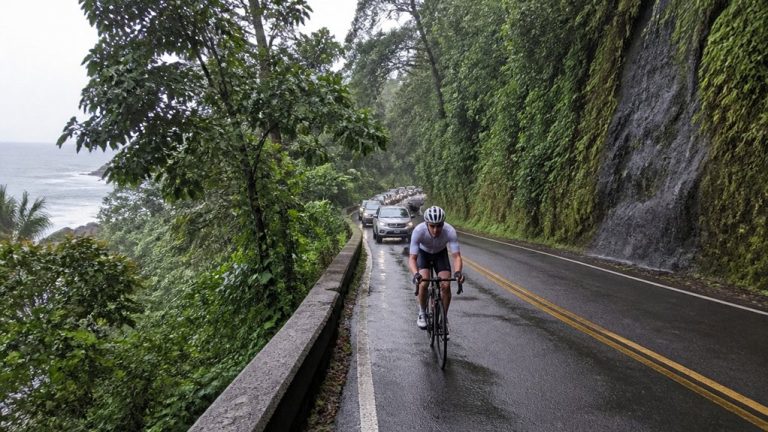
On Haleakala, gusts can top 40 or even 47 mph, so handling feels sharper and less forgiving. Sustained wind in the 20 to 25 mph range can make steering and braking seem sluggish, especially on older tour bikes. In safe handling tips for Maui wind, riders are reminded to stay loose on the bars and expect sudden gusts on exposed sections. If cold rain or spray blows across the road, pavement gets slick and visibility shrinks. You slow before curves, listen harder, and respect every exposed stretch.
Why Wind Changes Fast on Haleakalā
Because Haleakalā rises from warm beach towns to a summit near 10,000 feet in a surprisingly short distance, the wind rarely sticks to one mood for long. On a Haleakala bike ride, you can feel that shift almost instantly. Cold summit air meets warm lowland air, and that temperature gap reshuffles pressure fast as you climb or descend.
You also ride through terrain that twists the airflow. Crater walls, ridges, and valleys funnel gusts, then hide them, so the road can go quiet and noisy in seconds. Trade winds from the northeast may seem steady, but little thermals and quick shower cells bubble up over the slopes and change the script. Near the summit, stronger wind shear can suddenly toss in 30 to 50 mph gusts. It keeps you awake, for sure. On Haleakala bike tours, that same fast-changing mountain weather can also shape how traffic feels and behaves along the route.
Where Winds Hit Hardest on the Ride
The map of the wind gets sharper once you know where the road opens up. Near Haleakalā’s 9,000-foot summit, gusts can slam up to 47 mph, so even standing there feels like a small contest. On the bike, exposed space matters. The wind can change fast.
- At the summit, you feel the biggest blasts and hear them rush past your helmet.
- On ridgelines and north-facing bends, gusts buffet your side and nudge the bike sideways.
- On open downhill stretches, crosswinds get tricky at speed, so you slow down and ride single file.
- On sheltered sections of Highway 377 and 378, terrain blocks much of the push, and the ride calms down.
You notice the pattern quickly. Open road means stronger force. Twisting, protected road means relief and easier steering. These shifting gusts are a big reason riders often ask whether the Haleakala Bike Tour is safe.
How Cold It Gets Before Sunrise
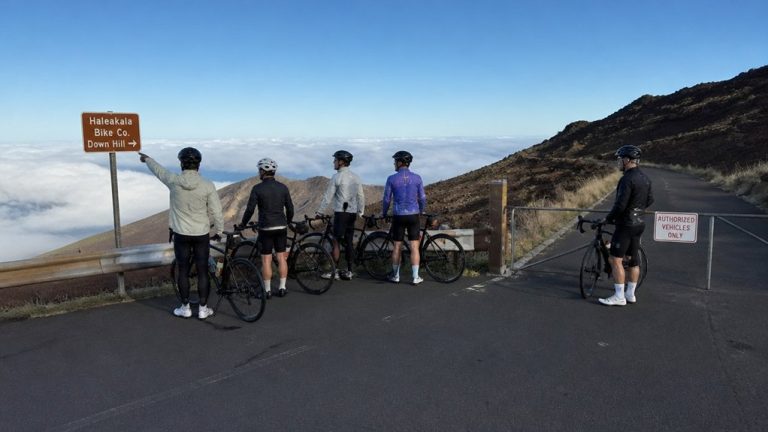
Before sunrise at Haleakalā’s summit, you can step out into upper-40s air that feels much colder once the gusts start whipping across the crater. If you began near the coast in a T-shirt, that 20 to 30 degree drop will get your attention fast, so you’ll want arm and leg warmers, a windproof layer, and a warm hat for the wait. It’s the kind of cold that can creep into your fingers, your gear, and even your breakfast, which is funny until you’re standing there at 3:00 a.m. wishing you’d packed one more layer. On a typical bike tour itinerary, that pre-dawn stop is often just the beginning of a long, temperature-swinging morning.
Still comparing Wind On Maui Bike Tours: What It Feels Like?
Ask for tour ideas, hotel suggestions, or a simple trip plan that combines both.
Trip Helper
Summit Pre-Dawn Temperatures
Layering pays off fast on a Haleakalā sunrise ride, since summit temperatures before dawn often sit in the high 30s to low 50s°F, and the wind can make it feel even colder. By the time you reach Haleakala National overlooks, you’re stepping from sleepy coastal warmth into air that feels sharp, dry, and surprisingly thin. Expect the day’s coldest stretch while you wait. Dressing for cold summit tips helps you stay comfortable through that long, windy pre-dawn stop.
- You might leave sea level in the 70s or 80s, then arrive near 9,000 feet around 49°F.
- Pre-dawn pickup around 2:30 or 3:00 a.m. puts you outside at the chilliest hour.
- Trade-wind showers can brush past, adding dampness to the cold.
- Arm warmers, leg warmers, a vest, and a full jacket make the wait much easier.
Your fingers will thank you.
Wind Chill Before Sunrise
Even if the thermometer reads in the mid-40s, Haleakalā’s pre-dawn wind can make it feel closer to the 20s or 30s once gusts start ripping across the summit. At 9,000 feet, high-30s to low-50s air already feels sharp. Add 40 mph gusts, and your face and fingers notice fast.
You’ll want a real wind chill buffer before sunrise. Think 15 to 25 degrees colder than the posted summit temp. That’s why riders pull on arm and leg warmers, a vest, and a full jacket before rolling out. On the Haleakalā downhill bike tour, that sharp summit cold is often the biggest shock before the descent even begins. If fog or a quick trade shower blows through, the cold turns damp and sneaky. It presses through layers during stops and easy sections, then follows you into the descent. Bring extra warmth. Haleakalā likes to test your packing list before breakfast, hard.
When Haleakalā Winds Feel Worst
Usually, Haleakalā’s wind feels worst high on the mountain, especially above about 6,500 to 7,000 feet where the road opens up and the trade winds have nothing to slow them down. Up there, you feel harsher buffeting, colder air, and those quick side shoves that remind you wind can change fast.
- Near the summit, gusts can reach 47 mph and slap across the road.
- On exposed north and east sections, NE trades funnel downhill and make corners feel twitchier.
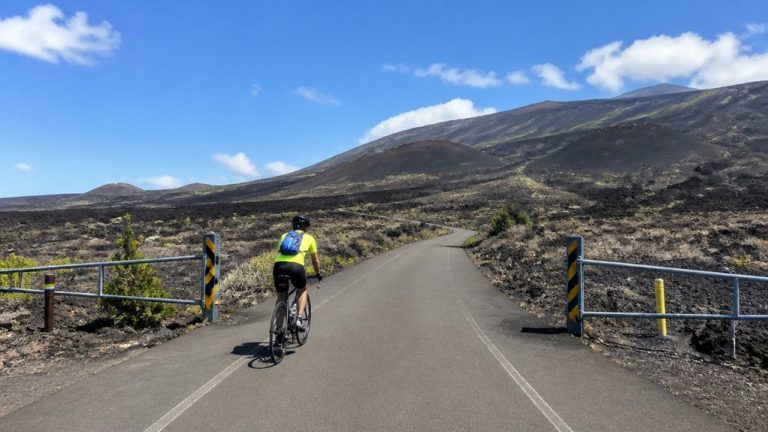
- Tree-less volcanic slopes leave you fully exposed, with the wind hissing in your ears.
- Sheltered stretches and winding roads lower the impact, but surprise gusts still pop up.
On a Haleakala Downhill Bike Tour, riders often notice these windy upper sections before conditions mellow as the route drops lower.
If forecasts show sustained winds above 25 mph, you should expect a rowdier ride, especially on open bends.
How Wind Changes Speed and Braking
Picture the bike twitching a little as a crosswind hits an exposed stretch, then settles once you lower your chest and firm up your grip. On Haleakalā, crosswinds can arrive fast, especially on ridges and northward bends, and they change how the bike feels beneath you.
Wind also changes speed in sneaky ways. A tailwind can nudge a normal 15 to 20 mph descent toward 29, and that extra speed means much longer stopping distance. Go from 20 to 30 and you may need about twice the room to brake. A headwind can slow you downhill, yet make brake pressure feel oddly sharp as your speed drops. In gusty sections, brake early, feather smoothly, stay low, and give yourself extra space. On Maui roads, riders should stay alert around drivers and shoulders, since wind can push a bike closer to the road edge or into traffic. Your brakes will thank you, quietly, for once.
Who May Want to Skip Windy Rides
That jumpy feeling in a crosswind also tells you something useful: not every rider should take on a windy Haleakalā descent. If your confidence fades when the road bends, this may not be your bike ride.
- If you’re new to handling a bike or braking hard, gusts up to 47 mph can shove you toward traffic.
- If you’re older or not very fit, 15 to 20 mph downhill speeds plus surprise 25 mph gusts can wear you out fast.
- If motion sickness, drowsy meds, or balance issues affect you, constant steering corrections can spike anxiety and crash risk.
- If your rental is a heavy single-gear bike with slow brakes, or you dislike cold wet summit weather, choose sunrise viewing or a shuttle instead.
First-time riders should review bike tour safety before deciding whether windy conditions are worth the added risk.
What to Wear for a Windy Bike Tour
Because Haleakalā can feel like two seasons in one ride, dress for a cold, windy summit first and a milder descent later. Start with a base layer, add insulation, then finish with a windproof, breathable outer shell. Pack arm and leg warmers plus a light vest you can stash quickly.
Choose close-fitting pieces that won’t flap or tug in gusts. A snug helmet cover helps tame wind chill and keeps your helmet from feeling oddly buoyant. Wear full-finger gloves, warm socks, or thermal shoe covers since fingers and toes go numb first. Pick layers with zippers or vents so you can adapt fast when sun breaks through or a trade-wind shower rolls in. Bring sunglasses or goggles, and secure light items before they try to tour Maui without you. It also helps to review the essentials to pack for a Haleakalā downhill bike tour so you’re ready for changing conditions.
How to Handle Crosswinds on the Descent

Layering keeps you comfortable, but crosswinds are what really ask for your attention on the way down. Near Haleakalā’s summit, gusts can hit 25 to 47 mph and shove your bike sideways across exposed pavement. Local Knowledge helps, but you still need a calm response.
- Ride single-file and leave 2 to 3 bike lengths, so a sudden blast doesn’t push you into another rider.
- Lower your body and slightly reduce tire pressure within safe limits for a steadier feel.
- Slow before open northward bends. Use smooth braking and steer gently into the gust instead of fighting it.
- If repeated blows feel sketchy, or you’re less experienced in winds above 25 mph, stop. Dismount or ask for vehicle transport. Pride can wait and scenery still looks great from a van.
On windy sections, braking tips matter too, because tense hands and hard squeezing can quickly wear out your grip on the descent.
How to Ride Safely in Maui Wind
You’ll feel Maui’s trade winds early, especially above 6,000 feet, where your line on the road matters as much as your legs. Keep a steady position, stay single-file, and brake before curves so sudden gusts on open bends don’t boss you around. If you start at dawn with windproof layers and a stable bike, you’ll hear less rattling gear, feel more control, and enjoy the wild air a lot more. Even riders with limited experience can handle these conditions more confidently by choosing a tour that matches their skill level.
Wind Positioning
Even when the road looks wide open, Maui’s wind can shove a bike sideways in a heartbeat, especially high on Haleakalā where summit gusts have reached about 47 mph. You’ll feel it as a fast shoulder-check from thin air, so set your body and your line early. Riders deciding between a guided van tour and a downhill bike tour should know that van-based options can reduce your exposure during the windiest upper sections.
- Get low on the bars and keep both hands firm on the bike.
- When NE trade winds blow, favor lee-side stretches and stay as far right as safely possible.
- On long descents, expect surprise pushes at northward bends, and trim speed before curves.
- If forecasts top 25 mph, ride single file, leave more space, and never go hands-free.
When you stop to regroup, step fully off the road. Point bikes into the wind, or lay them downwind so gusts don’t send them skittering.
Braking In Gusts
Once you’ve picked your line in the wind, braking becomes the next skill that keeps the ride calm instead of chaotic. Near Haleakalā National Park, gusts can hit hard enough to shove your bike sideways, so you brake firmly but never suddenly. Think smooth pressure, not panic grabs.
On the heavy single-gear rentals many tours use, dated brakes reward patience. Start slowing well before turns, especially on exposed northbound curves where crosswinds bite. Keep your body low and slightly back. Hold the bars lightly so the front wheel can settle instead of twitch. At 15 to 20 mph, use both brakes together and bleed off speed in stages. For beginner downhill riding, practicing smooth, early braking before Haleakalā helps build confidence when the wind gets unpredictable. If the wind starts steering more than you are, that’s your cue to pull over, breathe, and take the van.
Frequently Asked Questions
Are Maui Bike Tours Canceled Because of Strong Wind Advisories?
Yes, you’ll sometimes see Maui bike tours canceled under strong wind advisories. Check each operator’s Cancellation Policy: they may reschedule, shorten routes, or shuttle descents when summit winds make downhill control unsafe, especially before dawn.
Can Wind Affect Photography or Phone Use During the Tour?
Yes, wind can affect your photography and phone use during the tour. You’ll fight Camera Shake, sudden gusts, foggy lenses, and faster battery drain, so secure your phone, keep it warm, and avoid shooting while riding.
Do Guides Provide Windproof Gear or Only Basic Rain Jackets?
You usually get only basic rain jackets or thin shells, not true Windproof jackets. You should bring your own insulated windproof layer, because tour-supplied gear often won’t handle Haleakalā’s cold, gusty descent conditions well.
How Windy Is the Shuttle Ride Before the Bike Descent?
You’ll usually feel moderate to strong Shuttle Gusts before the descent, especially higher up. Near Haleakalā’s exposed sections, sudden blasts can sway the van briefly. If trade winds top 25 mph, you’ll notice a chilly, blustery ride.
Can Asthma or Contact Lenses Be Affected by Summit Winds?
Yes, you can feel summit winds affect asthma and contact lenses. Respiratory precautions help: bring and use your inhaler, cover your nose and mouth, and wear glasses or carry rewetting drops to prevent irritation.
Conclusion
On Haleakalā, the wind can play trickster, a little like Odysseus meeting a restless sea on two wheels. You feel it in your chest, hear it hiss past your helmet, and see clouds slide over black lava at dawn. If you dress warm, stay loose on the bars, and respect the gusts, the ride stays thrilling instead of sketchy. Some days you fly. Some days you brake early and laugh at nature’s attitude.