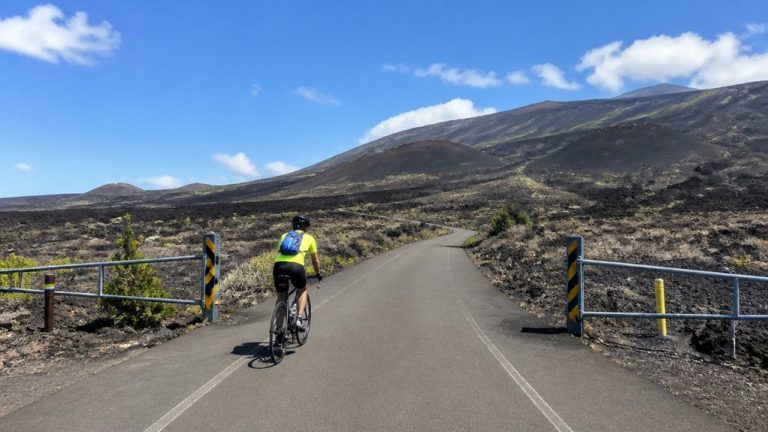
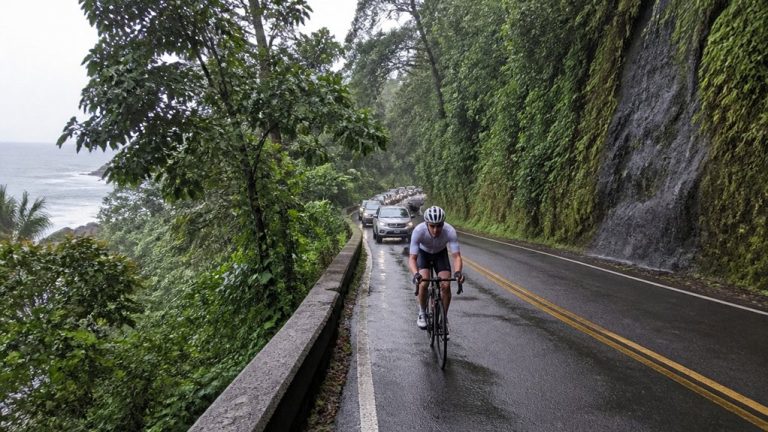
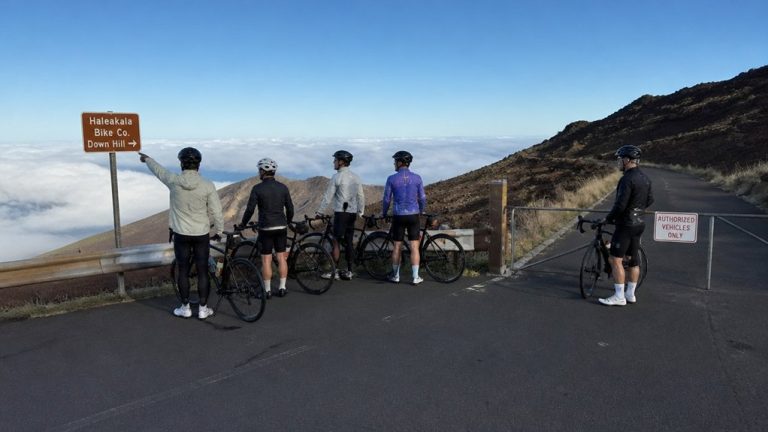
Before you book a Maui bike tour, you’ll want to know if the bike actually fits you. Most operators set height and weight limits for a reason. On Haleakalā’s long descents, good fit means steadier braking, better control, and fewer white-knuckle moments. You may get a quick sizing check at check-in, plus a short test ride while the morning air still feels cold and sharp. The exact cutoff can surprise you, and so can what happens if you don’t meet it.
Key Takeaways
- Maui bike tours usually cap rider weight at 250–300 pounds, though some sturdier-bike operators allow up to 350 pounds.
- Minimum height is commonly 4’10” to 5’0″, and some operators also enforce minimum age requirements.
- Limits exist for bike fit, brake reach, control, equipment ratings, and insurance compliance on long downhill descents.
- Check-in often includes height and weight confirmation, helmet fitting, a safety briefing, and a short test ride.
- Riders near cutoff limits or with physical concerns may be reassessed and moved to a chase van if safety standards are not met.
Typical Maui Bike Tour Size Limits

Most Maui downhill bike tours set clear size limits, and the range is wider than many riders expect. On a Maui bike tour, the typical maximum weight runs from 250 to 300 pounds, with a common rider weight limit around 280. Some operators even allow 350 pounds on sturdier bikes.
For minimum height, you’ll usually need about 4’10” to 5’0″ so your Haleakala Downhill bike has proper bike fit and secure helmet fit. Tour operator policies can vary, so check posted numbers before you book. Some companies also list a minimum age to participate alongside height rules.
Even if you meet the published maximum weight and minimum height, staff may still reassess you during fitting or a test ride. If gear feels off, they can reassign bikes or decline participation. Because tour logistics differ, shuttle or self-drive options can also affect how operators handle check-in timing and rider setup.
Why Maui Bike Tours Have Size Limits
Because a Haleakalā downhill looks easy only from a distance, tour companies set size limits to match the real demands of the ride. On those long descents, extra mass creates more braking heat, which can reduce brake performance when you need it most. Riders also underestimate how much control a steep downhill demands over the course of the Haleakalā descent.
Haleakalā looks gentle from afar, but the long descent punishes poor fit, weak brakes, and mismatched rider weight.
- A weight limit reflects equipment ratings, not guesswork.
- The maximum weight varies because bikes, frames, and parts have different certified capacities.
- A height limit supports rider safety by helping you reach controls and stop cleanly.
- Insurance requirements also shape who can ride and who may be declined.
You’ll notice these rules before the volcano wind starts humming in your helmet. Staff may check bike fit, watch a test ride, and sort rider order. It’s practical, not personal, and keeps the day smooth for everyone.
How Bike Fit Affects Downhill Safety
Before you roll out from the summit, your bike has to fit you so you can reach the brakes easily and stay in control on those fast downhill miles. If the saddle and bars aren’t set right, your hands tire faster and braking feels harder on Maui’s long, steady grades. That’s why guides do a quick test ride at 6,500 feet and make adjustments, because the right fit can mean the difference between smooth confidence and white-knuckle squeezing. This step-by-step guide helps riders know when those fit checks and adjustments happen during the Haleakalā bike tour itinerary.
Proper Bike Sizing
Dialing in the right bike size is one of the biggest safety checks on a Maui downhill tour. Before you roll past the summit, your bike fit needs to match your body and the road ahead.
- Meet minimum height requirements so you can stand over frame and keep both feet flat.
- Stay within maximum weight limits, since bike design and insurance rules matter.
- Make sure you can reach handlebars and full hand-brake levers without stretching.
- Use the summit test-ride to confirm braking control with disc brakes on long descents.
On Haleakalā, speeds can touch 25 to 30 mph, and that makes sizing more than comfort. If your fit is off, your hands and wrists work overtime. Good sizing feels calm, stable, and surprisingly quiet, except for the wind. This is one reason downhill safety is such a common concern when people ask whether the Haleakalā bike tour is safe.
Brake Reach Control
Bike size sets the stage, but brake reach is what keeps you in control once Haleakalā starts dropping away beneath your tires. On descents that roll into 25 to 30 mph, you need a natural hand grip and easy access to the levers. If your thumbs overextend, braking control fades fast.
That’s why guides check minimum height, weight limit, lever position, and saddle height before you head downhill. On bikes with disc brakes, you should smoothly feather both wheels through switchbacks and hairpin turns. Braking tips that protect your hands can make long downhill sections more manageable and help prevent fatigue from building too early. A test ride reveals a lot. If hand arthritis, weak hands, or a stretched brake reach make steady braking hard, your wrists will complain long before the volcano does. Heavier riders may brake more often, so fit matters even more. If you can’t modulate safely, the van awaits.
Who May Need a Fit or Safety Check

If you’re close to a tour company’s minimum age, height, or weight cutoff, expect a quick fit and safety check at the summit. Staff use it to confirm your minimum age, minimum height, and weight limits still allow a safe, comfortable ride down cool, windy slopes.
- If you’re near size cutoffs, they’ll do bike fitting and helmet fitting.
- You’ll usually take a short test ride on flat pavement to show braking and balance.
- They’ll watch your competency with hand brakes, controlled descents, and single-file riding.
- Medical restrictions matter too. Recent knee surgery, severe arthritis, pregnancy, or drowsy medications can prompt extra screening.
They may also review helmet guidelines before departure to make sure your gear is secure and appropriate for the ride.
It’s all practical, not dramatic. If something looks off, you might ride in the chase van instead of risking a shaky downhill adventure.
What Happens at Maui Bike Tour Check-In
Check-in starts early at the Paia shop, usually around 8:30 or 8:45, and it sets the tone for the whole morning. You’ll sign waivers, confirm height and weight limits, and get sorted for the right bike. Staff move quickly but watch details, since insurance and safe sizing matter here.
Next comes bike/helmet fitting and gear. You’re usually handed a disc-brake bike, helmet, gloves, and a jacket for the cool air. During the safety briefing, guides explain hand brakes, spacing, single-file rules, and support van procedures. Then you’ll do a short test ride in the lot. It’s not a race. Guides check braking, bike handling, and confidence, then set the riding order so the group rolls out smoothly, with fewer surprises and no cowboy moves later. The meeting location is typically confirmed during check-in so everyone knows exactly where the tour begins.
What to Expect on a Maui Downhill Ride
Set off expecting a ride that feels part glide, part concentration test. On Haleakala, your downhill bike ride moves fast, often 25 to 30 mph, so you’ll balance scenery with focus. Think cool air, humming tires, and winding roads that keep you honest.
- You’ll start with a safety briefing, a quick rider assessment, and rules that matter.
- Your bike has disc brakes, and helmets, gloves, and rain gear help you handle shifting weather.
- Expect a switchback here and there, shared roads with cars, and strict single-file riding.
- Fog, wind, and wet pavement can roll in quickly, so slow down when needed.
Many tours begin in Paia and follow a Haleakala bike tour route that combines mountain views with changing road conditions. Even if weight limits got you reading closely, the real test is control. Riders who stay alert usually enjoy every mile, with confidence.
How to Choose the Right Maui Bike Tour
You’ll have a better ride if you match the tour to your skill level and compare the small logistics before you book. Check the operator’s height and weight limits, ask about bike fittings and test rides, and see whether a sweep van follows along in case Haleakala’s long curves and cool morning air feel like more than you expected. Since operators also follow age guidelines, confirm the minimum rider age before reserving a spot. If you’re close to a limit or have physical concerns, call ahead so you can confirm the bike setup, safety rules, and backup options without any last-minute surprises.
Match Skill Level
Because Maui’s downhill rides look easy in photos, it’s worth matching the tour to your real comfort level before you book. In Maui biking, you may ride a bike at 25 mph or more on winding roads, so comfortable riding matters. Most riding tours suit intermediate riders, not rusty beginners. A quick summit test can reveal a lot fast. Many riders underestimate how much prior experience helps on Maui descents, especially when judging speed, braking, and road position.
- Choose a Mountain Bike tour only if you brake smoothly and hold lane position.
- If hand or knee issues flare, try a self-guided bike option with less braking.
- Check minimum age, and ask whether restrictions apply; maximum weight or height rules can affect fit.
- Confirm details beyond the minimum number of travelers so your skill level, not just logistics, drives the booking.
You want confidence, not white knuckles and sore hands tomorrow.
Compare Tour Logistics
While the sunrise and summit views grab the spotlight, tour logistics often decide whether your Maui bike day feels smooth or slightly chaotic. You’ll want to compare operator specs before booking, especially weight limits, height minimums, and age restrictions. Those rules shape bike fit, rider order, and even who gets extra safety assessments at check-in. Haleakala operators may also enforce age and height requirements alongside experience guidelines, depending on the tour.
| What to compare | Why it matters |
|---|---|
| Weight limits, height minimums | They affect eligibility and comfort |
| Bike fit, safety assessments | They influence rider placement and pace |
If you’re close to a cutoff, call first. High-capacity providers may offer sturdier bikes and better options. Some tours also do test rides, then assign positions on the descent. If you don’t meet standards that morning, you might spend part of the ride in the chase van instead.
Frequently Asked Questions
Can Pregnant Riders Join Maui Bike Tours?
No, you can’t join most Maui bike tours while pregnant because pregnancy risks outweigh participation. Medical clearance won’t override trimester restrictions, insurance considerations, or emergency protocol. Instead, choose slow paced options with guide assistance, hydration needs, seat comfort.
Are Electric Bikes Available for Maui Downhill Tours?
No, you usually won’t find e bike availability on Maui downhill tours; operators use standard bikes. You should ask about tour options, rental pricing, trail compatibility, weight limits, battery range, motor power, pedal assist levels, charging stations.
What Is the Minimum Age for Maui Bike Tours?
Like a gatekeeper, you’ll find the minimum age is usually 15, though some age limits allow 12–15. Expect age verification, guardian consent, strict age requirements, rare age exceptions, family policies, youth participation rules, and occasional teen discounts.
Can I Bring My Own Helmet or Bike?
Yes, you can often bring helmet and sometimes personal bikes, but you’ll need proper helmet fit, helmet safety, and helmet standards. Confirm bike compatibility, bike size, helmet storage, and helmet sanitization policies when you book beforehand.
What Happens if the Weather Cancels the Tour?
Like a sudden curtain, weather cancels trigger safety cancellations; you’ll get communication protocols updates, weather refunds or rescheduling options, alternate routes, hotel pickup changes, gear storage help, voucher extensions, and liability coverage guidance from operators.
Conclusion
Before you book, check the tour’s height, weight, and age rules, then picture the ride ahead. You’ll hear brakes click, feel cool summit air, and watch Maui open in long green slopes below. Why risk a bad fit when a quick call can save the day? Ask about check-in tests, bike adjustments, and van backup. If the bike fits and you feel steady, you’ll spend less time worrying and more time enjoying the descent.