
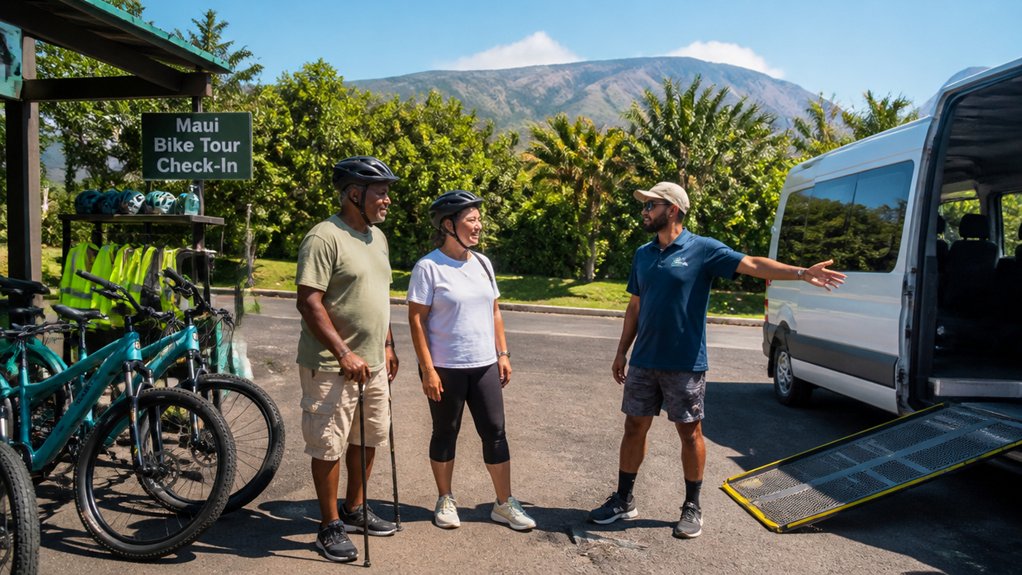
Before you book a Maui bike tour, you’ll want answers that go beyond the glossy sunrise photos. Ask who can ride, how the bikes fit, where the descent begins, and what happens if your hands get tired halfway down a long, windy stretch. Find out what gear you get, how cold the summit feels at dawn, and whether support is close by if plans wobble. Those details can turn a bold idea into the right adventure.
Key Takeaways
- Confirm rider eligibility: minimum age, height, weight limits, bike fit, and required skills for balance, braking, and downhill control.
- Ask whether the tour is guided or self-guided, and how much independent bike handling is expected on winding downhill roads.
- Verify route details: starting elevation, total miles, steep turns, practice opportunities, and what happens if a rider cannot continue.
- Check logistics carefully: meeting point, check-in time, shuttle and return transport, and where the actual bike descent begins.
- Review safety and comfort items: included gear, weather exposure, altitude effects, roadside support, and cancellation or rescheduling policies.
Is a Maui Bike Tour Right for You?

Start by asking a simple question: will this ride fit you and feel good for the full descent? Before you book a Haleakala Bike adventure, confirm the basics. You must be at least 15, at least 4’10”, and able to fit an adult bike comfortably. Ask about the bike’s frame, reach, and the operator’s weight limit. Many KONA mountain bikes cap at 300 pounds.
Then think about the bike ride itself. Some routes run nearly 23 miles downhill, with steep stretches and steady hand-brake use. Riders should also confirm the tour’s age and height requirements before booking, since operators may enforce both for safety. Your hands, shoulders, and focus matter. Weather matters too. Sunrise starts near 10,000 feet can feel downright wintry, with air in the 30s, so wear layers. Finally, ask how roadside help works, how fast staff respond, and whether your return ride is included.
Which Maui Bike Tour Matches Your Skill Level?
Once you know the ride fits your body, the next question is whether it fits your skills. Ask how much real bike handling the tour expects. Maui downhill routes usually start around 6,500 feet and roll about 23 miles, so you’ll need steady braking, turning, and comfort on long descents.
You should also ask if the tour is self-guided or guided, because that changes the feel. Some rides are designed for riders who like more independence, while others offer closer support. Ask about staff help during the descent and how the group paces traffic. Since many riders wonder about tour safety, it’s smart to ask how the company handles support, road awareness, and rider screening before booking. A Sunrise Bike Tour can sound dreamy, but early starts mean heavier cars and sleepy legs. Mid-morning tours often feel calmer, with brighter views, warmer air, and less rooster-level grogginess for many riders.
What Age and Height Rules Apply?
Because Maui’s downhill rides use full-size adult bikes and cover a long, steady descent, age and height rules matter more than they might on a quick beach cruise. For any Tour, you’ll want to confirm the basics before you book.
| Rule | What to ask |
|---|---|
| Age | Must riders be 15+? |
| Height | Is 4’10” the minimum? |
Maui ordinance generally requires riders to be at least 15. If your teen joins, you may need to acknowledge the risks. Height matters too. Guests usually must be at least 4’10” and able to fit an adult bike comfortably. Some operators also enforce weight limits, often around 300 pounds, to match bike capacity and rider safety needs. Ask whether your child truly knows how to ride, balance, and use hand brakes on a steep 23-mile descent. Also check operator-specific age rules, supervised options, and any weight limit, often 300 pounds.
Where Does the Ride Start?
After you’ve checked the age and height rules, the next thing to pin down is where your ride actually begins. Most Haleakala bike tours don’t start pedaling from the 10,000-foot summit. After sunrise viewing, riders usually begin much lower, around 6,500 feet, where the air feels less severe and the road setup follows park rules.
You’ll often check in first at Haiku Marketplace, 810 Haiku Road, Suite 120, in Haiku. From many resorts, that drive can take 45 to 90 minutes, so timing matters. Sunrise tours may want you there between 2:30 and 4:00 a.m., while day trips often start check-in around 8:30. Ask if the shuttle up is included and whether a return van brings you back to the shop later. Some operators also explain transportation options from Kihei so you can compare drive times before booking. Saves you extra dawn scrambling and parking headaches.
Still comparing Maui Bike Tour Accessibility: What To Ask Before Booking?
Ask for tour ideas, hotel suggestions, or a simple trip plan that combines both.
Trip Helper
Can You Handle the Distance and Descent?
Before you book, check the full distance and ride time so you know whether roughly 23 miles of steady downhill sounds freeing or just plain long. You’ll also want the details on the descent itself, since these tours usually roll down from about 6,500 feet on winding paved roads with long grades, hand-brake work, and a few tight hairpin turns. Many riders are surprised by the steep descent, which can feel more demanding than the mileage suggests. If that makes you pause, ask what skill level they expect and what happens if your hands or nerves tap out halfway down.
Distance And Duration
Even if the ride sounds easy on paper, you’ll want to look closely at the real mileage and timing. Most Maui downhill tours run about 23 miles from staging to the base, often after a summit stop in Haleakala National Park. That sounds breezy until you imagine hours in the saddle, cool air, and the need to stay focused. Some operators describe the full experience as a 23-mile descent that begins after the summit portion of the tour.
Ask when the ride begins and when you’ll finish. Sunrise trips usually wrap by 10:30 a.m. Express rides end around 12:30 p.m. Summit Deluxe options can stretch to 2:30 p.m. Also ask where the biking actually starts, since many tours stage around 6,500 feet after the summit visit. Knowing the starting elevation helps you judge altitude effects, energy needs, and whether a self-guided pace or backup van feels reassuring for your group.
Descent Skill Requirements
Mileage only tells part of the story. Most Haleakala downhill bike rides cover about 23 miles, but the real question is whether you can control a bike that long while descending at a comfortable pace. Ask how much elevation you’ll lose from the 6,500-foot staging area and what speeds riders typically reach on long stretches. Many tours begin after a sunrise-area van drop-off near the 6,500-foot staging area, so it’s smart to ask exactly where the bike portion starts and how much downhill riding is truly guided.
You should also confirm the age and fit rules. Riders must be at least 15, fit an adult bike, and use hand brakes confidently. If you or your child can’t show those skills, you may be turned away. Ask whether guides allow self-paced riding, offer help, or let you skip the downhill if it feels too spicy. Check for full-face helmets, KONA bikes, the 300-pound limit, and a practice run before the adventure begins.
What Gear and Clothing Are Provided?
Pack light and let the outfitter handle the big stuff. You’ll get a KONA mountain bike, a full-face helmet, and extra layers like rain gear, jackets, pants, gloves, and a backpack. Staff can help with fit and basic adjustments before you roll out from the Visitors Center. Dressing in weather-ready layers can help you stay comfortable throughout changing Maui tour conditions.
- Wear closed-toe shoes with solid grip, and choose long pants for comfort and protection.
- Bring your own light snacks and water bottles. The shop only offers coffee and cocoa, not a full breakfast.
- If you like your own setup, you can bring a properly sized helmet or extras like phone straps and hydration packs.
You’ll still want to confirm sizing rules before booking. Adult bikes require riders to be at least 4’10”, and the bike’s weight limit is 300 pounds.
How Cold Is the Start?
How cold is the start? At Haleakalā, you begin at higher elevations near 10,023 feet, so temperatures can feel surprisingly wintry. A good rule is about 3°F colder for every 1,000 feet above the base. That means summit conditions often land in the 30s to 60s°F, with sunrise riders getting the sharpest chill and occasional near-freezing air in winter.
Before you book, check the tour’s start time and staging area. Early sunrise departures, sometimes between 1:30 and 4:00 am, put you in darker, windier, colder pre-dawn air. Mid-morning starts usually feel milder. You’ll also want to ask exactly how warm the summit is compared with the finish, because the day can swing from jacket weather to tropical heat fast. Layers become your best travel companion up there. Reviewing the bike tour itinerary ahead of time can also help you understand when you’ll be exposed to the coldest elevations and when conditions begin to warm.
What Ride Support Is Included?
Before you book, look closely at what ride support actually covers, because it can shape the whole Haleakalā experience. Ask Questions so you know exactly what’s included before tires touch pavement.
- Confirm whether park entry and the van ride to the 6,500-foot start are included, since some sunrise tours pass that shuttle fee to you.
- Verify roadside help for flats, bike issues, or rider support. Many crews answer calls in about 30 minutes, which matters when the road feels long and quiet.
- Check the gear list. You’ll often get a KONA bike, full-face helmet, backpack, rain gear, jacket, pants, and gloves.
Also ask about coffee or cocoa, snack rules, and whether the van stores personal items. Tours departing from Kahului may also have specific pickup details and timing worth confirming in advance. If details stay fuzzy, contact us before you commit.
How Do Pickup, Return, and Cancellations Work?
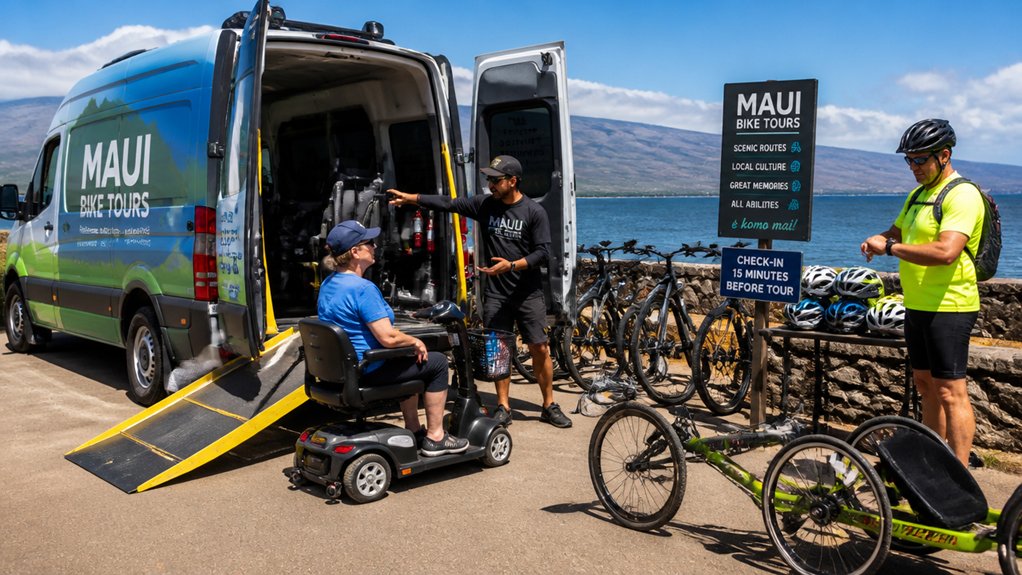
You’ll start at Haiku Marketplace, where check-in begins at 8:30 am for day trips, so it helps to map your drive time from Kihei, Wailea, or the west side before the roosters beat your alarm. Your tour includes a ride back to the shop, with many sunrise guests returning by 10:30 am and Summit Deluxe riders around 2:30 pm, so you’ll want to confirm which window fits your booking. If plans shift, you should check the cancellation rules early since fees rise fast, and it’s smart to ask about rescheduling, park transport, and last-minute help when you book. The meeting locations can vary by tour, so confirm your exact check-in point before you go.
Pickup And Return Times
For pickup and return, the biggest surprise is often the clock. Sunrise tours can start painfully early. Depending on the season, you may need to arrive around 2:30 am or closer to 4:00 am. After the ride, you’ll usually return to the shop by about 10:30 am, sleepy but thrilled.
- Day-trip check-in begins at 8:30 am.
- Express and standard rides usually finish around 12:30 pm.
- Summit Deluxe riders typically return around 2:30 pm.
Before you book, confirm your pickup location at Haiku Marketplace, 810 Haiku Road Suite 120. Also ask whether your package includes return transportation from the mountain back to the shop. Most do, but it’s smart to double-check. Some operators also organize logistics from Paia for Haleakala bike tour departures, so verify the exact starting point listed in your reservation. A bike tour feels breezy downhill. The schedule doesn’t. Bring coffee and a good alarm.
Cancellation And Rescheduling Policies
Once you’ve set your alarm and pinned down pickup at Haiku Marketplace, 810 Haiku Road Suite 120, it helps to know what happens if the plan shifts. Your tour includes pickup and return, with drop-off back at the shop around 10:30 am after sunrise rides or 2:30 pm after Summit Deluxe.
Before you book, ask how cancellations work once you pass the National Park Service entrance. If the company cancels before park transport, you owe nothing and can reschedule. After park entry, they charge 50%, and you can use the remaining balance later. This cancellation policy helps clarify what fees and credits apply if plans change. If you cancel, expect a 10% fee within 15 days, 50% within 48 hours, and no refund within 24 hours or for no-shows. Skip the bike portion and you’ll still pay in full, though Web Group notes rain checks may help.
Frequently Asked Questions
Are National Park Entrance Fees Included in the Tour Price?
Often, they are, but you should confirm. Many tours include park fees and entrance passes, while some sunrise options charge them separately. Ask how fees are collected and whether cancellations change what you’ll still owe.
Can Guests With Mobility Devices Access Shuttles and Staging Areas?
Yes, like opening the right door in Oz, you can access shuttles and staging areas if you confirm staging accessibility, curb or step-up boarding, lift dimensions, and staff help for wheelchair transfer when booking ahead.
Are Private Tours Available for Travelers Needing Extra Assistance?
Yes, you can often book private tours if you need extra assistance. Ask about Private transfers, Personalized pacing, door-to-door pickup, and staff help with loading, bike fitting, and stowing mobility devices to support your ride.
What Insurance Coverage or Liability Waivers Are Required?
Naturally, you’d love surprises mid-descent, so ask upfront about required liability waivers and insurance policies. Confirm adventure-activity coverage, operator policy limits, evacuation costs, minors’ signatures, and cancellation refunds if safety closures or company cancellations happen.
Can Guides Accommodate Hearing, Vision, or Communication Needs?
Yes, ask if guides can accommodate hearing, vision, or communication needs with clear speech, written briefings, sign language support, tactile maps, assistive listening devices, large-print materials, individualized pacing, and support-person coordination before you book.
Conclusion
Ask the right questions and you’ll see if a Maui bike tour fits you like a well-tuned helmet. Check age, height, and bike skills first. Then look at start elevation, miles, road support, and van storage for your bag. Summit air can bite, so layers matter. A practice run helps calm shaky hands before the long glide past eucalyptus, lava rock, and waking towns. Get the logistics clear now, and the ride feels open, not wobbly.


