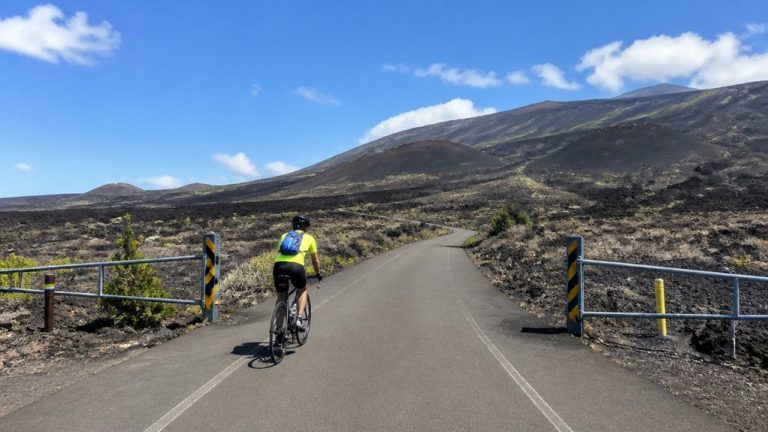
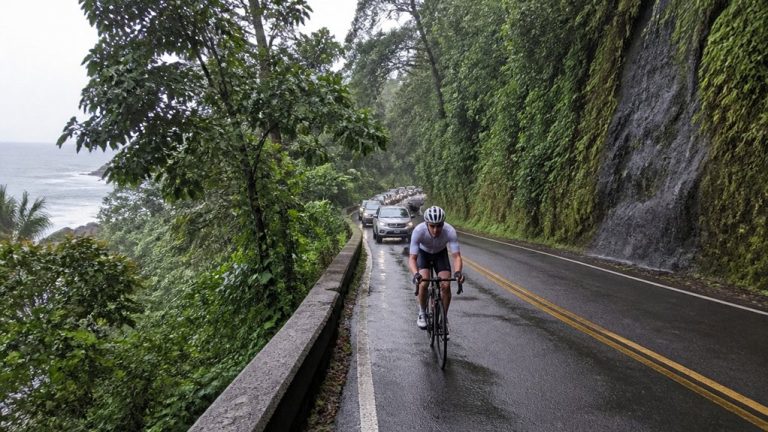
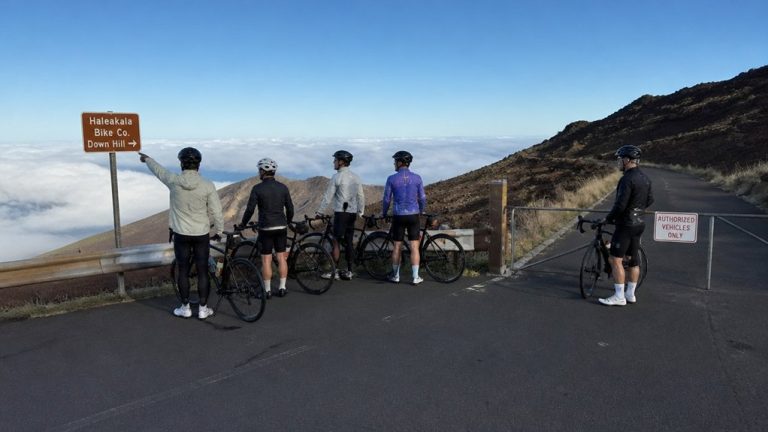
A Maui bike tour can feel like a moving weather vane. You start in cool mountain air and roll toward warm coastal light, with wind in your ears and sharp turns ahead. If it’s your first time, you need more than nerve. You need a helmet that fits, brakes you trust, water, layers, and a plan for speed on Haleakala’s long descent. The views are huge. The mistakes can be, too.
Key Takeaways
- Wear a certified helmet, closed-toe shoes, gloves, eye protection, and bright layers, and bring water, sunscreen, and a charged phone.
- Use a well-maintained bike with multiple gears and disc brakes, and check tire pressure, brakes, bolts, and shifting before riding.
- Maui bike tours are best for riders with recent experience; minimums are typically age 15 and height 4’10”.
- Control speed with smooth front-and-rear braking, shift to lower gears early, and slow to 10–20 mph before switchbacks.
- Expect steep descents, sharp turns, traffic, crosswinds, and fast weather changes, so ride single file and follow the safety briefing.
Is a Maui Bike Tour Safe for Beginners?

Usually, a Maui bike tour isn’t the best first ride if you’re still new to cycling. On a Bike Maui or Haleakala Bike route, you’ll face steep grades, tight switchbacks, and shared roads where cars, reflectors, and stray grit keep you alert. That’s thrilling, but it asks for real control.
Your best Safety Tips are practical. Wear a helmet and closed-toe shoes. Bring layers, water, sunscreen, and a charged phone. Use a bike with gears and Disc Brakes, and know how to brake smoothly without grabbing. You should also stay single file and follow traffic laws. Weather Conditions matter too. Fog or wet pavement can turn a scenic descent slippery fast, so ride only when conditions are good. These aren’t casual Beginner Requirements. Before booking, it’s smart to ask specifically about Haleakala bike tour safety so you understand the route, support, and current riding conditions.
Do You Meet Maui Bike Tour Requirements?
Before you book, make sure you meet the basics: you’ll usually need to be at least 15 years old and 4’10” tall to join a Maui downhill bike tour. You should also have recent riding experience and feel steady controlling a bike on steep grades, sharp switchbacks, and winding roads where you’ll hear car tires humming past. Just as important, you need to be healthy, not pregnant, and not taking anything that could make you drowsy, because this ride asks for alert hands and a clear head. These bike tour requirements help make sure riders are prepared for the unique demands of a Haleakala descent.
Age And Height Minimums
Even if you’re keen to roll down Haleakalā with the sunrise at your back, you’ll need to clear a few basic requirements first. The Minimum age is 15, and you must be at least 4’10” to fit the rental bike safely. These age guidelines help tour operators make sure riders can handle the route safely.
| Requirement | Minimum | Why it matters |
|---|---|---|
| Age | 15 years | Better judgment on descents |
| Height | 4’10” | Safe bike fit and control |
| Bike skills | recent bike-riding experience | Handling gears and disc brakes |
You’ll also need the physical ability to manage a long downhill ride with steady braking and alert hands. Meeting the chart isn’t the whole story. If you’re a first-time rider, this isn’t your warm-up lap. Pregnant persons can’t join, and neither can anyone using medication that causes drowsiness. Safety starts before the first pedal stroke.
Experience And Health Readiness
If the idea of a long, twisting descent sounds thrilling, ask yourself one practical question first: are you truly ready to ride it well? You need recent bike-riding experience, not just confidence from a beach cruiser. Maui’s downhill routes bring steep grades, sharp 180-degree turns, cool thin air, and long stretches of braking.
You should be physically able to handle a geared mountain bike with disc brakes and suspension without getting shaky or lightheaded. Bring a properly fitted helmet and closed-toe shoes. Expect to show smooth gear changes and controlled braking during the safety briefing. Most operators expect riders to have recent bike-riding experience, since Maui bike tours are not ideal for complete beginners. Be honest about medical conditions too. If you’re pregnant, taking medication that causes drowsiness, or dealing with anything that affects balance, breathing, or alertness, sit this one out. Better to skip the ride than wobble through paradise.
Still comparing Maui Bike Tour Safety: What First Timers Should Know?
Ask for tour ideas, hotel suggestions, or a simple trip plan that combines both.
Trip Helper
Why Haleakala Bike Tours Feel Risky
You feel the risk on Haleakalā fast, because the descent throws steep grades and tight switchbacks at you and asks for steady hands on the brakes. You also share the road with cars and tour vans, and those paved lanes can hide grit, reflectors, and other little surprises that don’t care about your vacation plans. Then the weather can flip in a hurry, so a bright morning can turn cold, windy, or foggy before you know it and make the ride feel very different. Part of that intensity comes from the steep grades on the Haleakalā downhill route, which can make speed build quickly for first-time riders.
Steep Curves And Grades
Because Haleakalā starts above 10,000 feet, the descent throws you into long paved grades and a string of winding turns that demand real focus from the first mile. On Haleakala, steep grades build speed fast, so your downhill control has to stay calm and deliberate.
- Tight switchbacks can arrive blind, with barriers, reflectors, and guardrails shrinking your line and your options.
- Properly maintained disc brakes matter because long braking zones can heat up quickly before the next curve.
- Fog, wind, and wet pavement can slash visibility and traction, so you need to slow early, not heroically late.
You’ll hear tires hum, feel cold air thin out, and notice how fast momentum stacks up. Even without shared-road traffic in the picture, these curves demand respect and patience every single minute. A typical bike tour itinerary helps first timers anticipate where the steepest sections and most technical turns tend to appear during the descent.
Shared Roads With Traffic
On top of the speed and curves, Haleakalā puts you on shared roads where cars, vans, and tour traffic move through the same lane space you do. These are shared paved roads, not bike paths, so you need predictable single-file riding and sharp downhill bike handling. You’ll stay right when safe, watch mirrors, and expect vehicles to pass closer than feels polite. Traffic on Haleakala Bike Tours often includes vehicles moving around riders on the same descent, so staying alert to passing patterns matters.
| Risk | Your move |
|---|---|
| Narrow lanes | Hold a steady line |
| Tight turns | Slow before entry |
| Low sun | Wear high‑visibility clothing |
| Debris | Trust disc‑brake–equipped bikes |
Because drivers may not expect cyclists, traffic laws matter. Helmets, lights, and reflectors help you stand out. Guardrails, pylons, and reflectors also squeeze your space. It’s beautiful, yes, but the road definitely expects your full attention.
Fast-Changing Weather Conditions
Then the mountain changes the rules again with weather that can flip in minutes. On Haleakala, you may leave warm valley air and reach near-freezing summit chill above 10,000 feet. That swing makes layered clothing a must before you coast downhill through several climate zones on Highway 378.
- Sun can turn to fog or rain fast, cutting visibility and slicking pavement before curves.
- Exposed ridges funnel wind into sharp crosswinds that can shove your bike sideways.
- Cool air can fool you, but UV still bites, so sunscreen and hydration matter.
You’re not just riding downhill. You’re moving through microclimates that change the road’s feel every few miles. Wet asphalt hums differently under your tires, and gusts make narrow car roads feel suddenly smaller. Slow down and stay loose. Most Haleakala bike tours brief riders on these rapid elevation and weather shifts before the descent begins.
What Roads, Traffic, and Turns to Expect
What does the road actually feel like as you roll down Haleakalā? On Haleakala, you follow long paved ribbons on shared public roads, including Haleakalā Highway, with steep grades and frequent 180-degree turns. The descent feels smooth one moment, then suddenly technical, so you need steady hands, clean lines, and eyes far ahead.
For many riders, Maui bike tours are worth it for the scenery and thrill, but only when you respect the route’s risks and ride within your limits.
You’ll share the route with locals, tour vans, and delivery trucks, so stay alert and yield to downhill traffic when required. Lanes can feel narrow, shoulders disappear, and reflectors, guardrails, and even car-sized pylons crowd your space. Ride single file, keep right when it’s safe, and leave room between bikes. Slow before curves. Match speed to your skill level. Watch for debris, wet patches, fog, rain, and gusty crosswinds too.
Which Bike and Gear Are Safest?
Pick a well-maintained mountain or hybrid bike and you’ll give yourself the best shot at a calm, controlled ride down Haleakalā. Look for disc brakes, multiple gears, and a frame that fits you well. A certified Helmet matters just as much. Add closed-toe shoes, gloves, and eye protection so gravel, wind, and sun don’t turn the ride into slapstick.
- Check tire pressure, brake pad wear, bolts, and smooth shifting before rolling out.
- Pack a compact repair kit with a tube, mini-pump, tire levers, and a multi-tool.
- Wear high-visibility clothing, use bright lights, and carry plenty of water.
These simple choices help you stay visible on curving roads and ready for remote stretches where help can take a while. Small checks make a big difference. Follow helmet guidelines carefully, since Maui bike tours require proper head protection for safer descents.
How to Manage Speed and Braking Downhill

Good gear gives you a solid start, but your real safety test begins when the road tips down and the bike starts to hum. Before downhill riding, warm up and test your brakes. Your braking technique should feel smooth and progressive, using both front and rear brakes without grabbing hard. On long descents, use smooth braking to avoid overheating the brakes and fatiguing your hands.
Aim for controlled speed, especially on Haleakalā descents. Slow to about 10 to 20 mph before tight switchbacks, then roll faster only on straight sections you can clearly see. Shift into a lower gear early so pedaling resistance helps on long grades. Keep your weight low and slightly back, bend your elbows, and look through each turn. In wet conditions, treat traction like a moody travel companion. Use extra caution, cut speed by 30 to 50 percent, and brake earlier.
Common Maui Bike Tour Mistakes to Avoid
Even if the ride starts easy, Maui bike tours punish small mistakes once the road turns steep and the wind starts to sing past your ears. On routes used by Bike Maui and Haleakala and Haleakala Bike Company Incorporated, avoid these errors:
- Rush downhill without practicing braking. Learn your disc brakes before sharp 180-degree curves.
- Ignore weather changes. Fog, rain, and summit chill can slick the pavement and shrink visibility fast.
- Ride distracted or geared wrong. Keep both hands on the bars, wear a fitted Helmet, closed-toe shoes, layers, and sunscreen.
You should also respect the bike and the rules. Review where you can’t ride before your trip so you do not accidentally enter restricted sections of a Haleakala bike tour route. If you lack recent mountain bike experience, suspension and gears can surprise you. Guided road tours within Haleakala work best when you ride predictably, meet minimum requirements, and stay humble on the descent.
When to Skip a Maui Bike Tour
Before you chase that famous Haleakala descent, make sure the tour actually fits you and the day. Skip the tour if you don’t meet the operator’s minimum age and height. That means under 15 or shorter than 4’10”. The views are huge, but the rules are simple.
You also need solid cycling experience. If long, steep switchbacks and 180° turns make you tense, save this ride for later. Respect medical restrictions too. Don’t go if you’re pregnant, taking drowsy medications, or managing balance, vision, or exertion issues. Watch weather conditions closely. Wet pavement, fog, and hard crosswinds can turn quiet roads into a slippery test. Finally, make sure you’re comfortable with safe equipment, like a geared mountain bike with disc brakes and suspension, and with cars passing nearby too. Some riders may do better choosing guided or self-guided options based on their confidence and experience level.
Frequently Asked Questions
Are Maui Bike Tours Safe During Sudden Rain or Strong Trade Winds?
Yes, you can ride safely only if operators make tour adjustments and you’ve got advanced skills. Sudden rain hurts road traction and visibility concerns; wind gusts affect control. Prioritize gear waterproofing, guest comfort, and caution.
What Cancellation Policies Apply if Weather Closes Haleakala Access Roads?
When weather slams Haleakala’s gates shut like a steel curtain, you’ll usually get refund windows, force majeure terms, and rescheduling options, though operator discretion may mean partial credits instead. Check policies carefully, and carry travel insurance.
Can I Bring a Gopro or Phone Mount on the Ride?
Yes, you can sometimes bring a GoPro or phone mount, but you’ll need tour operator_APPROVED gear and must follow attachment policies. Use secure handlebar mounts, helmet cameras, waterproof housings, and understand device liability before descending.
Are There Age Restrictions for Passengers on Tandem Bikes?
Yes, you’ll face a minimum age of 15 for tandem passengers. You should also ask about weight limits, parental supervision, legal liability, helmet fit, and tandem training, since operators require height, health, and recent riding competence.
What Should I Do if I Get Separated From the Tour Group?
If you get separated, stop safely, wait at the meet point, and use your carry contact, emergency whistle, and group frequency. Rely on map familiarity, avoid chasing, and contact local authorities or your operator if needed.
Conclusion
With the right prep, you can trade nerves for focus and enjoy the ride. You’ll feel cool dawn air on your sleeves, hear tires hum on smooth pavement, and watch Maui open below in green folds and blue water. Check your brakes, dress in layers, sip water, and keep your speed honest. If the weather turns or your confidence wobbles, skip it. The mountain will still be there, no hard feelings, just a little volcanic patience.